



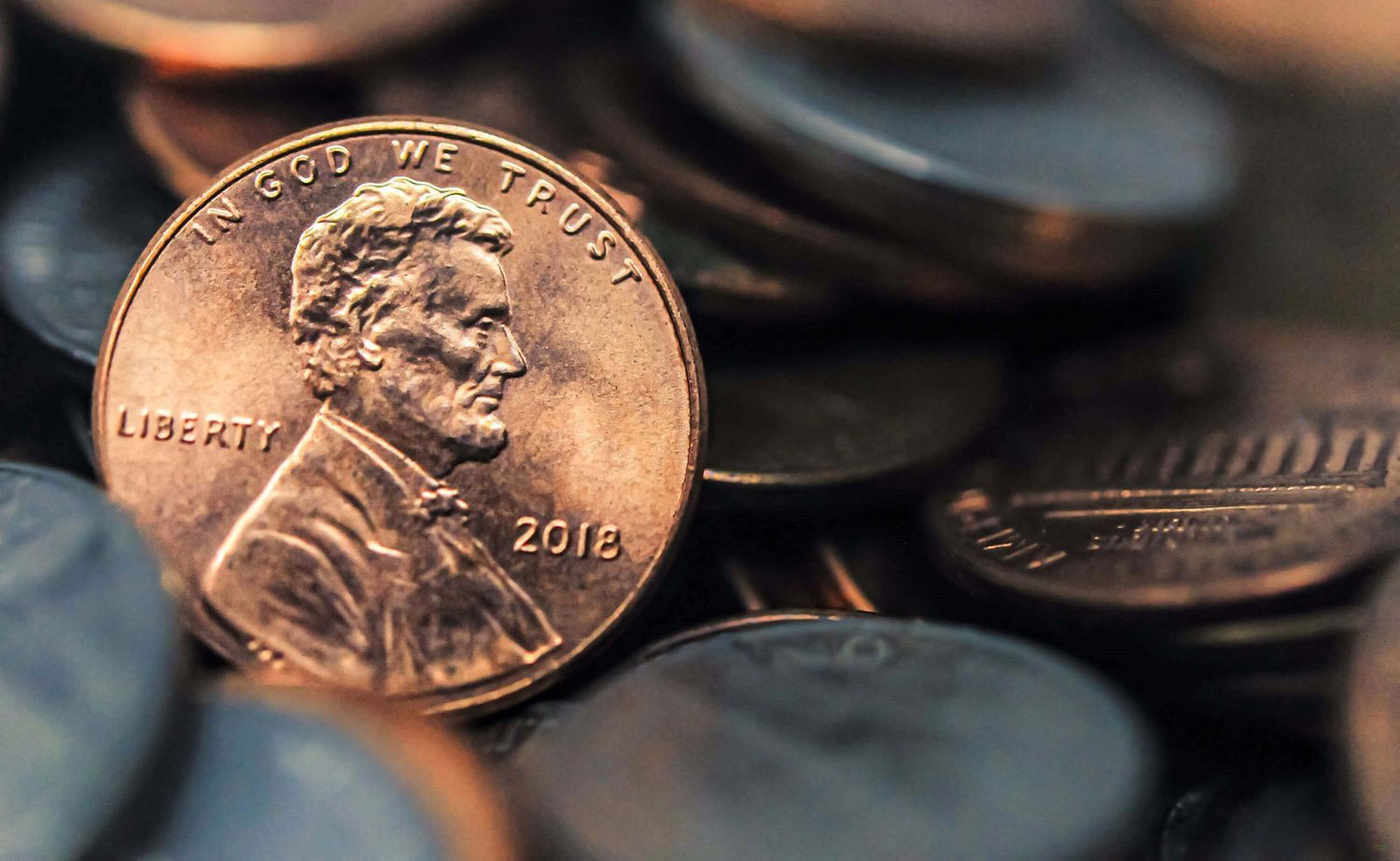
On November 12, 2025, the Philadelphia Mint struck the final batch of pennies, closing the book on a coin first introduced in 1793. The decision marked the end of a 232-year production run, making it one of the longest-standing traditions in U.S. currency. Treasury officials confirmed that while pennies will remain legal tender, no new ones will enter circulation, and the supply will gradually shrink as coins wear out or are hoarded.
Why the Penny Had to Go
The penny’s downfall was rooted in economics. By 2025, each penny cost 3.69 cents to produce and distribute, according to the U.S. Mint. Rising prices of copper and zinc, combined with labor and overhead, meant the government was losing millions of dollars annually just to keep pennies in circulation. President Donald Trump directed the Treasury Department to halt production of circulating pennies to reduce “wasteful” spending.
What Happens Next
Though pennies are no longer minted, they remain legal tender. Retailers must still accept them, but many businesses are expected to round cash transactions to the nearest nickel. Already, some stores have reported penny shortages and even offered incentives for customers to bring them in. For digital-first generations, the change is barely noticeable – apps like Venmo and Apple Pay don’t deal in cents anyway.
Cultural Ripples
The penny’s retirement is more than a financial adjustment; it’s a cultural shift. Expressions like “a penny for your thoughts” and traditions like tossing pennies into fountains or saving them in piggy banks are part of American memory. The coin also carried Abraham Lincoln’s image since 1909, giving it symbolic weight as a reminder of thrift and history. Its disappearance underscores how quickly traditions can fade in a digital-first economy.
Winners and Losers
Taxpayers stand to benefit most, as the government will save hundreds of millions annually by ending penny production. Digital payment users will hardly notice the change. Coin collectors, however, are already eyeing the final batch of pennies – two of which were stamped with a special omega mark and will be auctioned rather than circulated. On the other hand, cash-reliant businesses and unbanked individuals may face short-term challenges adjusting to rounding rules.
Should You Save Your Pennies?
Experts caution against hoarding pennies in hopes of future value. With an estimated 300 billion pennies still in circulation, scarcity is unlikely anytime soon. That said, the final 2025 pennies, especially those with special markings, may become valuable collectibles. For most people, though, pennies are best spent, donated, or kept as nostalgic keepsakes.
What It Means for Young Adults
For millennials and Gen Z, the penny’s end is symbolic of a broader shift: cash is fading, and digital transactions dominate. The discontinuation forces us to rethink how we value small change. Few of us bother to pick up a penny off the sidewalk anymore, yet its story reminds us that even the smallest things can carry weight – economically, culturally, and emotionally.