



By The SIMHA Consulting Service
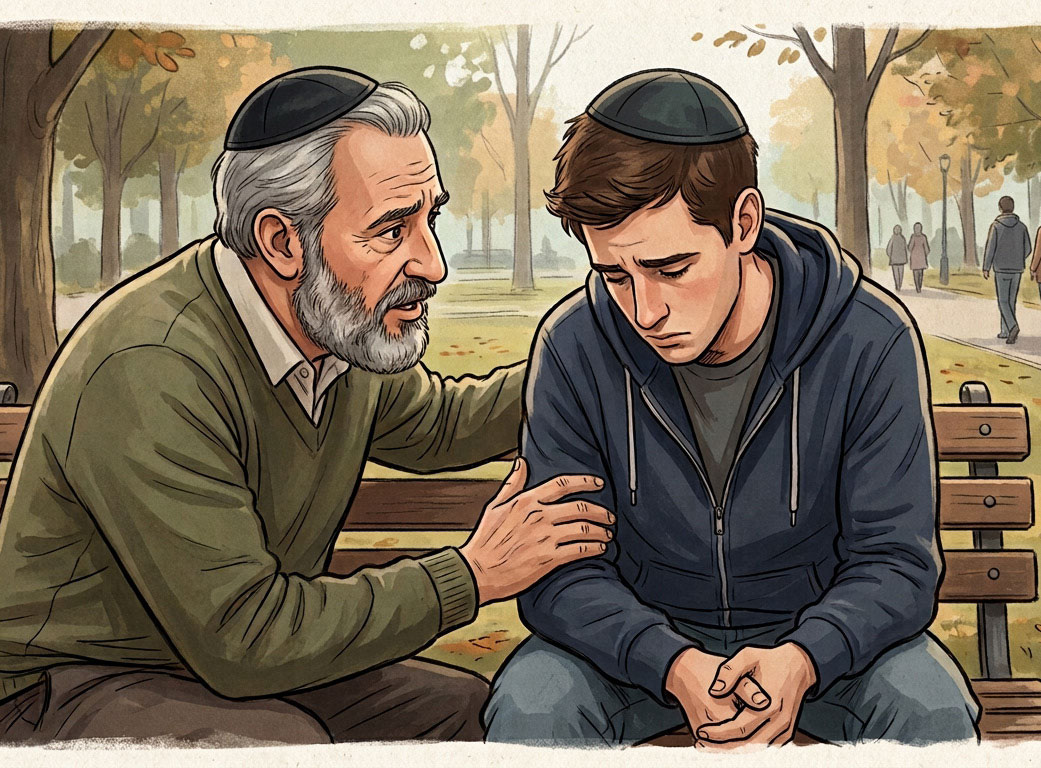
When someone you care about is going through a difficult period (whether dealing with severe stress, anxiety, depression, or an unfamiliar life transition), it is natural to want to fix it. Yet, knowing how to help without overstepping, saying the wrong thing, or burning out can feel challenging.
Many people find themselves stuck in a common dilemma: they see a family member, friend, or neighbor struggling, but the person isn’t ready or willing to seek professional help.
Supporting a loved one doesn’t require you to have all the answers or to act as their therapist. Understanding how to approach the situation with clarity, empathy, and proper guidance can make all the difference.
Low-Pressure Ways to Reach Out
When a friend or family member is overwhelmed, standard check-ins like, “How are you?” can feel like a heavy assignment. Consider these small, structured adjustments to make reaching out easier for them:
Name specific observations: Instead of asking general questions, gently mention what you’ve noticed: “I’ve noticed you’ve been pretty quiet lately and I wanted to let you know I’m thinking of you.”
Offer concrete choices, not open-ended offers: Asking, “Let me know if you need anything,” forces a struggling person to figure out what they need and ask for it – a heavy lift when they’re already overwhelmed. Make the decision easier by asking: “I’m running to the grocery store. Do you want me to grab milk or coffee for you?”
Clarify your role in the moment: Ask them directly what they need: “Do you want to vent, look for solutions together, or just sit and watch something to get your mind off things?”
What to Say, and What to Avoid
When someone is in pain, well-intentioned advice can sometimes accidentally shut down the conversation.
Instead of: “Everything happens for a reason,” or “Look on the bright side…”
Try: “That sounds incredibly heavy, and I’m sorry you’re dealing with this.”
Instead of: “I know exactly how you feel…”
Try: “I might not fully understand what it’s like, but I’m here with you.”
Protecting Your Own Capacity
Sustaining long-term support requires clear personal boundaries. You cannot pour from an empty cup, and trying to handle a crisis entirely on your own often leads to compassion fatigue.
It is completely valid, and healthier for the relationship, to set limits on your time and to encourage external resources.
A Resource for Families & Friends: SIMHA Consultations
One of the greatest challenges in supporting someone is knowing what steps to take when they refuse or hesitate to get help themselves.
This is where local community resources like SIMHA step in to fill the gap.
Through SIMHA’s consultation services, the struggling individual does not need to be present. Instead, SIMHA meets directly with family members, friends, or concerned loved ones to provide personal guidance on:
Approaching sensitive topics: Learning exact strategies and scripts for starting difficult conversations without triggering defensiveness.
Understanding the situation: Gaining clarity on what your loved one might be experiencing and how best to respond.
Navigating next steps: Crafting a personalized plan to encourage care, establish safety nets, and protect your own emotional well-being throughout the process.
You don’t have to wait for a loved one to ask for help before taking action yourself. By getting professional guidance on how to navigate the relationship, you can support them effectively while staying grounded.
For more information on SIMHA consultations or community support resources, reach out to SIMHA directly to schedule an initial discussion: 718-675-3000.