



By SIMHA Mental Health Series
Technology has become a constant part of our lives. Our phones wake us up, guide our schedules, entertain us, and connect us with people around the world. Social media, texting, streaming, and now artificial intelligence bring incredible convenience and opportunity. But they also bring challenges that quietly affect our mental health, relationships, and sense of connection.
This guide, based on insights shared by Dr. Eli Shapiro, offers a warm, practical way to understand our relationship with technology and how to keep it healthy.
Technology Isn’t the Enemy
Rather than seeing technology as “good” or “bad,” Dr. Shapiro encourages us to see it like any other relationship in our lives. Some relationships are healthy, supportive, and balanced. Others become demanding, distracting, or draining.
A simple question helps us figure out where we stand: Is technology enhancing my life right now – or is it intruding on it?
Some days it helps us stay connected, learn, and accomplish more. Other days, it interrupts family time, sleep, or even our sense of peace. Becoming aware of this difference is the first step toward healthier digital habits.
Why We Feel More Connected Yet More Alone
Humans are built for connection. Our emotional health depends on real, face-to-face relationships – the kind where we talk, listen, laugh, and share experiences.
Yet today, people spend far less time with one another. The Surgeon General reported that in the past decade we spend 30 fewer hours per month in real social, face-to-face activities. And, we spend five fewer hours per month engaging with people in our own household.
Instead of being with people, we scroll. Instead of conversations, we consume content. Social media imitates connection but cannot replace real relationships.
You might have thousands of followers, but that doesn’t mean you feel emotionally supported or understood. Digital contact gives quantity, not quality. Real connection requires presence – something that technology often pulls us away from.
How to Recognize When Technology Is Getting in the Way
Technology becomes unhealthy when it begins to interfere with our primary responsibilities or relationships. Some signs include staying up too late on the phone, ignoring people in the home, missing work goals or schoolwork, feeling anxious when you can’t check your device, using screens to escape everyday life, and spending more time online than with friends or family
This doesn’t mean you have a “problem.” It means awareness is needed – and small changes can make a big difference.
People with anxiety, ADHD, depression, autism, or past trauma may be more sensitive to digital stimulation. Their brains can react more strongly to online activity, making it harder to unplug. There is no shame in this – it simply means healthier boundaries are even more important.
The Power of Digital Detox – Even for a Few Minutes
One of the most powerful tools for healthier living is intentional disconnection. In the Jewish community, Shabbat offers a built-in weekly reset: phones off, minds calm, and hearts open. Dr. Shapiro describes Shabbat as a true gift – a chance to breathe and be present.
But even outside of Shabbat, you can create smaller “mini-Shabbat moments” during the week:
- Put phones away during meals – “going dark for dinner”.
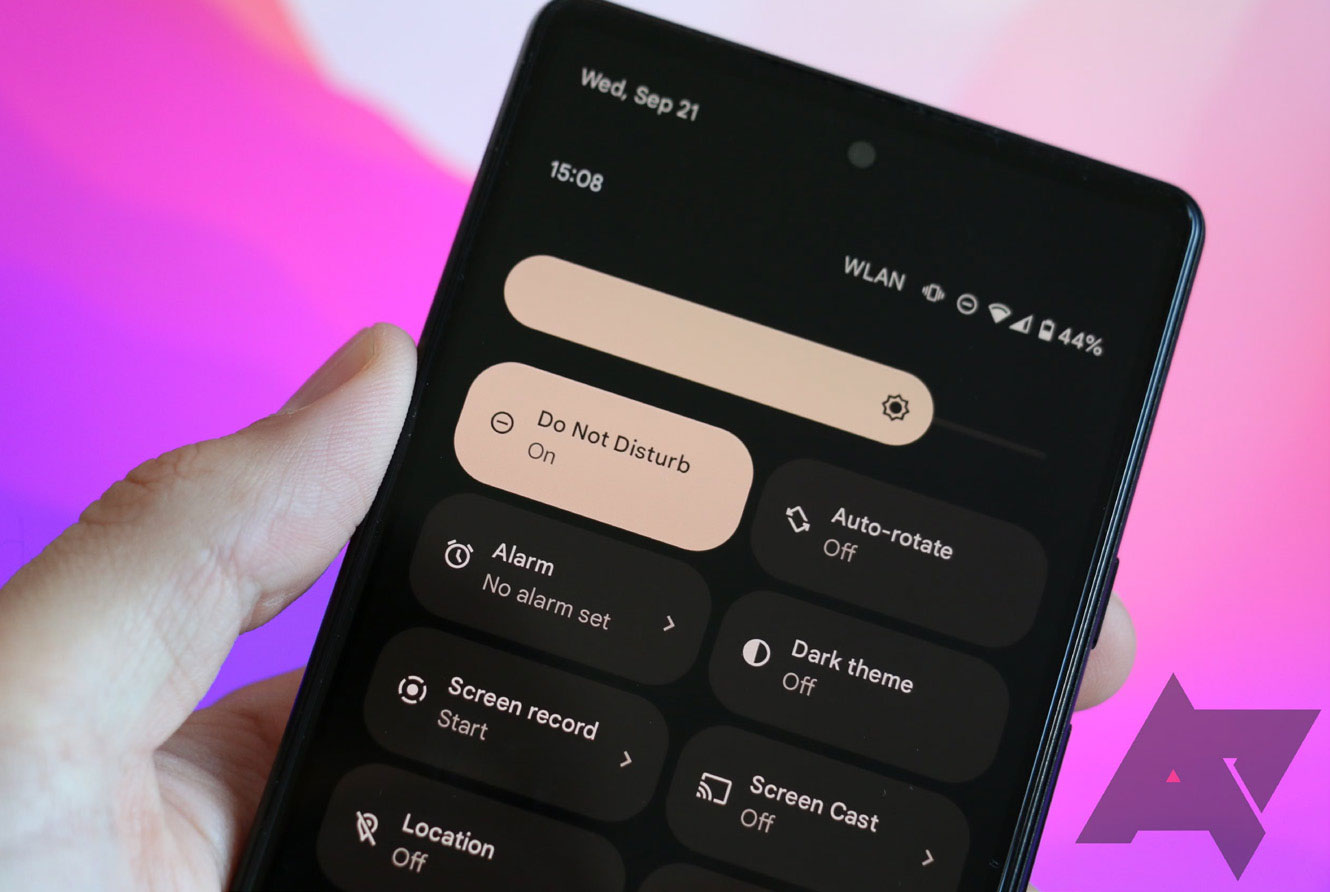
- Turn on “Do Not Disturb” or sleep mode at night.
- Leave the phone in another room for the first five minutes of your morning.
- Set one hour each evening for family-only time.
These small acts give your brain a break and allow deeper connection with the people around you.
Be Present. Be Aware. Be Balanced.
Technology is here to stay. And in many ways, it enriches our lives more than ever before. But it must be used thoughtfully.
Here’s the heart of the message: You don’t need to throw away your phone or quit social media. You just need a healthier, more intentional relationship with it.
Try the following: notice when technology enhances your life rather intrudes on it, create small moments of digital rest, and prioritize real-world relationships. Thereby, you can protect your mental health and strengthen the connections that truly matter.
And if you ever feel overwhelmed or unsure how to create this balance, SIMHA is here to help guide you, support you, and connect you with the right professionals.
Technology should serve you – not the other way around.