



Tammy Sassoon
Every parent wants to believe that their children will make good choices, surround themselves with the right friends, and stay true to the values they were raised with. We spend years teaching our children right from wrong, hoping that when they eventually step out into the world, they will know how to navigate it successfully. But the reality is that we cannot control every person our children meet or every situation they encounter. What we can do is prepare them to handle challenging situations with confidence, good judgment, and a strong sense of who they are.
Connection Comes Before Correction
When parents worry about the people their children spend time with, their first instinct is often to criticize, lecture, or forbid certain friendships. While there are situations that require firm boundaries, we need to be careful about how we approach these conversations. When a child hears, “I don’t like that friend,” or “You’re not allowed to hang around those kids,” they may feel misunderstood and become defensive. Sometimes, the more we criticize a friendship, the more a child becomes determined to protect it.
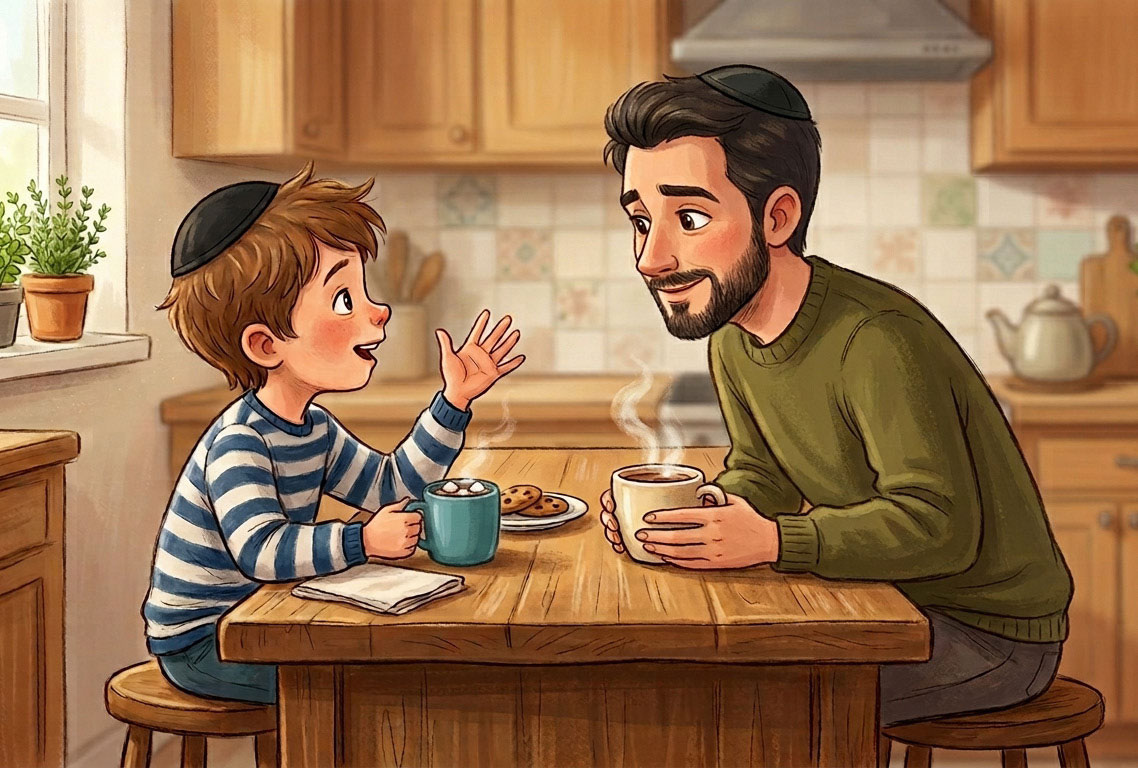
Instead, we can approach our children with curiosity. Ask questions like, “How do you feel when you’re with those kids?” or “Do you ever feel pressured to do things you’re uncomfortable with?” These questions encourage children to reflect on their experiences rather than to feel that they must defend themselves.
When children feel safe talking to us, they are more likely to share their struggles, including situations they may be embarrassed or afraid to discuss. That open line of communication can become one of our greatest parenting tools.
Teach Them to Recognize Warning Signs
Children do not always recognize negative influences when they encounter them. We need to teach our children to pay attention to how people influence their choices and how they feel about themselves. Do their friends encourage them to make responsible decisions, or do they pressure them to cross boundaries? Can they disagree without being mocked? Do they feel accepted for who they are, or do they constantly have to change themselves to fit in? These are important questions for children to learn to ask themselves.
Rather than labeling people as “good” or “bad,” help children evaluate specific behaviors. A person may have many wonderful qualities while still encouraging choices that are unhealthy. Learning to recognize that distinction helps children develop judgment instead of simply following along with something someone else does.
Build Their Confidence to Stand Apart
We can help by practicing real life situations with our children. What could they say if a friend pressures them to do something wrong or does not sit well with them? How could they leave an uncomfortable situation without feeling that they need to explain themselves or feel embarrassed? Who could they turn to for help?
Simple responses they can have ready such as, “That’s not for me,” “I don’t want to get involved,” or “I’m heading out” can give children the words they need when they feel caught off guard.
Just as importantly, we should praise children when they make independent, responsible choices, especially when those choices require courage. We want them to understand that standing apart is not a sign of weakness. Sometimes, it is a sign of tremendous strength.
Be the Ones They Can Always Count On
Our children need more than rules and warnings. They need a strong relationship with us, a home where they feel valued, and the knowledge that they can come to us even when they have made a mistake. When children feel connected to their parents, they have an important source of guidance and support to return to when outside influences become confusing or overwhelming.
This does not mean we must approve of every decision our children make. We can hold firm boundaries while still communicating love and respect. We can disagree with their choices without making them feel that our love depends on their behavior.
Ultimately, we cannot choose our children’s friends forever, and we cannot shield them from every negative influence. But we can give them the tools to recognize unhealthy situations, the confidence to make their own good decisions, and the security of knowing that they never have to face difficult situations alone.