



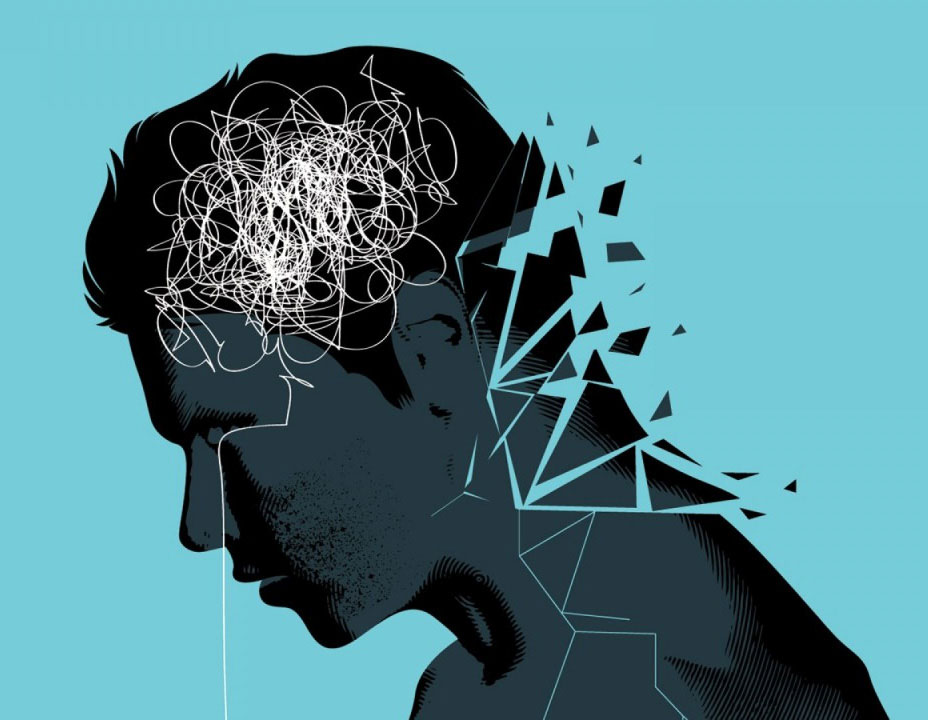
September brings a distinct shift in rhythm. As summer fades, families face the hectic transition back to school, marked by chaotic schedules and academic pressures. Simultaneously, the High Holidays arrive, bringing a dense season of reflection, family gatherings, and community expectations. While this time of year can be rich with meaning, the combination of major routine shifts and intense holidays creates a perfect storm for stress, anxiety, and depression.
When seasonal pressure mounts, it can be difficult to distinguish between temporary holiday burnout and a deeper mental health concern. To help clear up this confusion, professionals look at a structured framework to evaluate emotional well-being: Intensity, Duration, and Frequency (I.D.F).
Intensity: The Volume of Your Emotions
Intensity refers to the severity of the emotional distress you are experiencing. It measures how deeply an emotion or state of mind impacts your daily functioning.
Everyone experiences holiday stress or seasonal anxiety. However, normal stress usually allows you to maintain your routines. High intensity means the volume of these emotions has been turned up to a disruptive level. You might find that anxiety prevents you from participating in family gatherings, profound sadness makes it impossible to focus at work, or irritability strains your closest relationships.
When emotional pain peaks to the point where it impairs your ability to work, socialize, or care for yourself, the intensity indicates that standard self-care is no longer sufficient. Therapy provides a safe space to de-escalate this intensity and develop healthy coping mechanisms.
Duration: The Persistence of the Struggle
Duration tracks how long the emotional distress has been occurring. A difficult, overwhelming week during the peak of holiday preparation is a natural reaction. But when that heavy cloud stretches long past the season without relief, or persists even when the stressor itself wasn’t particularly intense, it may signal a formal mood disorder.
In clinical settings, the length of time a symptom persists helps differentiate between temporary situational stress and conditions like clinical depression or bipolar disorder. Diagnostic guidelines typically require symptoms to last consistently for weeks or months before a mood disorder is identified.
If you realize you have been feeling “off,” hopeless, or constantly overwhelmed for weeks on end, you are dealing with a prolonged duration. Therapy can help identify if a mood disorder is present, disrupting these long-standing cycles so a temporary autumn transition does not solidify into a chronic struggle.
Frequency: The Consistency of the Incidents
Frequency examines how often the distress or negative behavior occurs within a given timeframe. It measures the regular occurrence of your symptoms.
Experiencing a single panic attack during a chaotic week or having an occasional sleepless night due to a busy schedule is manageable. However, if panic attacks occur weekly, or if emotional crashes happen multiple times a week, the high frequency demands attention.
When negative thoughts, bursts of anger, or tearful episodes happen regularly, they chip away at your resilience. Tracking the frequency helps you see patterns that are otherwise easy to minimize. A high frequency of distress means your mind and body are continuously operating in a state of alarm, and a therapist can help you identify and address the underlying triggers.
Listening to the Signals
The I.D.F framework removes the guesswork from mental health care. You do not need to wait for all three metrics to reach a critical maximum before you deserve support. A high score in any of these areas is a valid reason to connect with a professional counselor. Listening to these signals early allows you to take control of your well-being and begin the healing process.