


Home Blog Page 13

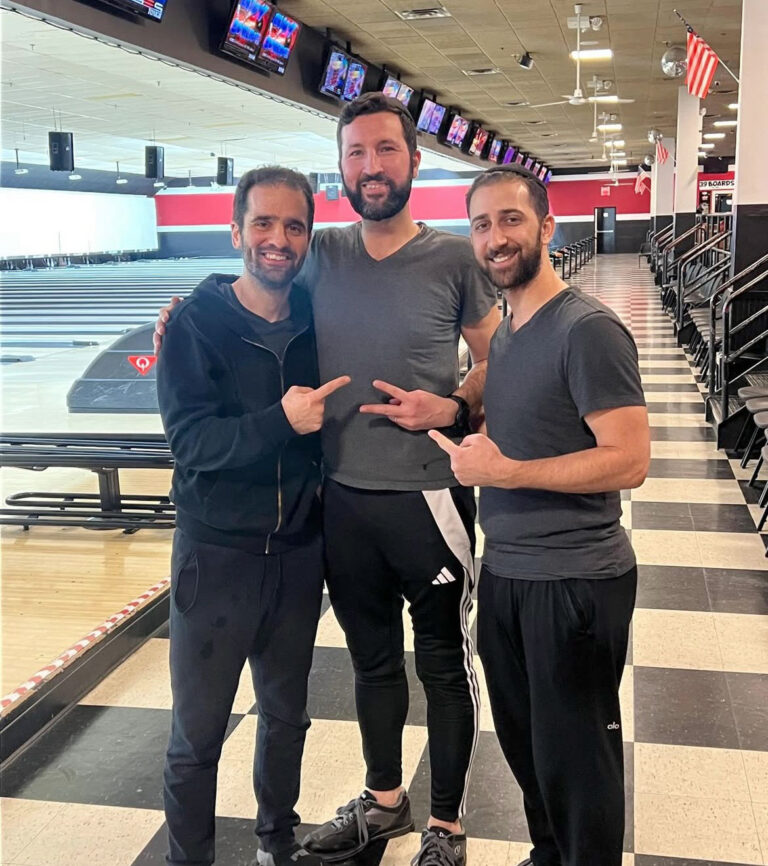
The Perfect Season

Sam Sutton

Every DFL season starts with big talk, bold predictions, and a whole lot of confidence flying around WhatsApp chats. But when the dust settles, only one thing ever truly matters: who can deliver when it counts. Who can stay locked in, week after week, while the league throws its best shot at you. This year, that answer was undeniable.

The Baltimore Ravens didn’t just win the DFL. They controlled it. They defined it. And ultimately, they finished something incredibly rare in sports, a perfect season. From the moment this roster came together, there was a sense that this team had the ingredients. But nobody could have predicted they would roll through the league with this level of discipline, maturity, and competitive fire.

THE SIEGEL – COHEN AXIS

Every great team has a heartbeat. For the Ravens, that heartbeat was Eli Siegel. Siegel didn’t just play quarterback. He conducted games. He managed tempo, attacked matchups, and delivered throws that belonged in slow-motion highlight reels. His composure was unmatched, even in chaos. Even when the pocket collapsed. Even when the moment was enormous.

And behind every great QB is the one man who touches the ball before he does. Enter Victor Cohen, the league’s most reliable center and Siegel’s on-field equal in terms of impact. Together, they were the DFL’s most consistent pairing. Cohen’s leadership, protection, and football IQ created a foundation that never cracked! Not once. Their chemistry is one of the defining elements of this undefeated run.

WEAPONS EVERYWHERE

A perfect season isn’t built on talent alone. It’s built on stars embracing roles, role players becoming difference-makers, and everyone buying into the mission. And this Ravens roster checked every box.

Danny Massry delivered a full-blown comeback season, finally back, finally unleashed, and finally playing like a WR1 with something to prove. Big catches. Big moments. Big leadership.

Mordy Sultan was simply electric. Whenever he touched the ball, the entire field tilted. His playmaking ability forced defenses to stay honest, and his toughness turned short routes into long gains.

Menachem Dubin, the mid-season pickup, was the missing puzzle piece. He didn’t just fill a void; he changed the defensive identity. Alongside Noam Katsil, fresh off last year’s championship run, the secondary became suffocating.

And then there was the two-headed chaos creators up front: Escava and Sultan. Their pressure was not pressure, it was disruption. It forced offenses off-script and into panic mode. Few duos have caused this much weekly turbulence.

Finally, Spinrad, the quiet glue guy. The player who doesn’t care for the spotlight but makes winning possible. Every championship team has someone like him. Most don’t appreciate them until it’s over. The Ravens did.

THE SEASON OF STATEMENTS

Undefeated seasons aren’t smooth. They’re built on storms weathered, not avoided. And the Ravens weathered them all. They won shootouts. They won grinders. They won games that looked over until they weren’t. They won games that were over before halftime.

And every time the league whispered, “This might be the week…” the Ravens shut that door fast.

Signature moments defined this historic run: Siegel’s perfect touch-pass rainbow to Dubin. The bomb to Danny “Black” Masry that flipped momentum for good. Sultan’s jaw-dropping plays that swung entire drives. Defensive stands that drained the hope out of opponents.

Bottom line – the Ravens were unstoppable. They were undeniable. They were perfect.

Inside the Crime Patterns Targeting Flatbush – Shomrim Leaders Explain the Trends and the Solutions

Linda Sadacka

It started with the jewelry.

Not one woman, not one block, and not one isolated incident. A pattern emerged. Women in our community suddenly realized that a bracelet they never removed was gone. A necklace that should have rested on a collarbone simply was no longer there. A ring that could not have fallen off was missing without explanation.

Then came the coats.

These coats were not misplaced in coatrooms nor mixed up at simchas. They were taken. Targeted luxury coats were grabbed off people or snatched the moment someone looked away. In case after case, scooters pulled up, hands reached out, and the criminals sped off long before the victims fully understood what had happened.

All of this intensified in the days and weeks after Mamdani’s victory. The city absorbed a new political message. In our neighborhoods many felt something shift in real time. There was more disorder, more brazenness, and a growing awareness that the sense of security we once took for granted was becoming compromised.

The crimes themselves are troubling, yet beneath them lies a deeper and far more damaging problem.

We are not reporting what is happening. Every time we fail to file a report, we weaken ourselves.

The Quiet Mistake That Weakens an Entire Community

Over the past year, I have watched the same pattern unfold many times. Someone calls me in a panic. A theft. An attempted robbery. A frightening encounter. I calm them, listen, and connect them to Flatbush Shomrim. I also connect them to NYPD, because for me there is no such thing as Shomrim without a police report.

And then, when we reach the moment that the incident must become official, the person simply stops responding.

The explanations come quickly. I do not want my name on anything. I do not want a headache. Shomrim already handled it. I just want to forget it ever happened.

I am not exaggerating when I say this has happened dozens of times in only one year.

People believe they are avoiding complications. In reality they are silencing data, and in New York City data determines everything. If crime is not reported, City Hall counts our neighborhoods as low crime areas. Low crime areas lose police officers. Fewer officers lead to slower response times, and slower responses embolden criminals. Emboldened criminals create more victims, especially among the vulnerable and the elderly.

This is not speculation. It is exactly what I heard from two men who live this reality every night and every early morning.

To move beyond forwarded WhatsApp clips, rumors, and dramatic warnings, I sat down with two experts, Toby Shacalo, a coordinator at Flatbush Shomrim who oversees crime prevention and sees patterns develop in real time, and Bob Moskovitz, the Executive Coordinator of the Flatbush Shomrim Safety Patrol, who has served for 34 years and helped build the infrastructure that protects thousands of families.

What they told me should serve as a wake-up call for every household in Flatbush.

What Crime in Flatbush Looks Like Now

When I asked Toby what had changed since the Mamdani victory he did not hesitate.

We are seeing a lot of crime. It is out of control. The police are still out there targeting, but it is unclear how long they can keep up.

He explained that approximately five thousand NYPD officers are planning to retire from a department that has only about thirty-three thousand members. Having fewer officers creates slower responses, and slow responses create opportunity. In October alone, Flatbush Shomrim handled eight hundred seventy-eight calls, and that was with half the month occupied by yom tov.

Three patterns emerged clearly in our conversation.

Jewelry Theft Through Distraction

Toby described what Shomrim calls the jewelry distraction scam. These are individuals, sometimes men and sometimes women, who approach politely. They ask for directions, claim it is a birthday, offer a small trinket, or simply begin talking. While the victim is distracted, they remove jewelry with astonishing speed.

Some victims believed they had been drugged because they felt nothing. When I asked Bob about this, he was very clear. There are no drugs involved. These thieves are extremely skilled at distraction and they work with precision.

Then Bob added something many of us need to hear.

They come here because of us. We wear visible valuables. We are busy. We are often on our phones. We appear to be good targets with merchandise worth taking.

He was not blaming our community. He was describing how our visibility and our habits create an opportunity for offenders who study behavior.

South American Scooter Crews and High-End Coat Thefts

The second issue involves high-end coat thefts. Toby explained that small South American crews are operating in a pattern familiar to their home countries. They pull up on scooters, grab what they want, and disappear. This happens during the day in front of witnesses. These jackets often have traceable serial numbers and Toby encourages residents to keep that information accessible.

None of these thefts enter crime statistics unless a report is filed.

The Revolving Door of Repeat Offenders

When I asked Bob whether crime has gotten worse since the early years of Shomrim his answer was immediate. Definitely. It is now an everyday issue. He described what he calls regular customers. These are recidivists who commit crimes, get arrested, are released quickly, and return to the same neighborhoods. Shomrim members recognize them by face and often by name.

This revolving door affects everything. Without consistent reporting, policymakers conclude that the problem is small. Without accurate numbers, precincts lose resources. Without resources, the burden increases on Shomrim volunteers, who already respond around the clock.

The Truth Behind So-Called Car Break Ins

Both Toby and Bob emphasized a point that many people prefer not to confront. Most car incidents in our area are not break-ins. Criminals are not smashing windows. They are opening unlocked doors.

Toby described a single night in which Shomrim checked four blocks and found eighty-seven unlocked cars. High end vehicles often had their keys inside. Criminals simply walk down the block checking handles. If everything is locked, they move to another neighborhood. It is basic deterrence.

We like to say they broke into my car. In many cases the truth is that we left our cars open.

The Other Threat: Unverified WhatsApp Messages

In 2026, fear often travels faster than facts. A forwarded warning, a dramatic voice note, a screenshot with no source, and panic spreads within minutes.

When I asked Bob about this he spoke plainly. Forwarding WhatsApp posts without confirming only causes unnecessary panic in the community.

If the message does not have a clear and reliable source, do not forward it. Call Shomrim or call the police. Let the people who understand the full picture evaluate the situation.

Inside the Shomrim System: Cameras, Coordination, and Rapid Response

Many residents do not realize how advanced Shomrim’s infrastructure has become. Toby explained that they operate approximately one hundred twenty cameras and license plate readers, with an additional two hundred planned. These are monitored around the clock.

Bob described how License Plate Readers work. If a repeat offender is connected to a specific vehicle, Shomrim enters that plate into an alert system. The moment that vehicle passes any Shomrim camera, members receive an immediate notification. This dramatically speeds up identification and enables NYPD to make arrests far more efficiently.

Shomrim coordinates regularly with Borough Park Shomrim, who have an extensive camera network as well. Together they create a protective grid that spans multiple Jewish neighborhoods.

Sometimes detectives call Shomrim for footage. At other times Shomrim reaches out to NYPD when they cannot locate a stolen car. NYPD cameras on bridges and major highways frequently identify vehicles en route to Newark, where many are loaded into shipping containers bound for foreign ports.

None of this is visible to the average resident, yet the system protects thousands of homes.

Volunteers and the Families Who Stand Behind Them

Shomrim is not a dramatic Hollywood-style organization. Their volunteers are not chasing offenders through alleys or wrestling people to the ground unless absolutely necessary. Bob said his primary responsibility is ensuring that every member returns home to his family safely.

He recalled visiting Borough Park Shomrim members in the hospital after they had been shot by a suspect over a decade ago. That night changed policy. Physical engagement is avoided unless there is no alternative. Members observe, follow discreetly, document, call NYPD, and intervene physically only when life is in danger.

Shomrim volunteers are trained in how to follow a suspect without being detected. In the overwhelming majority of cases the suspect can be apprehended without confrontation. NYPD handles the physical arrest. Shomrim’s role includes intelligence, positioning, and immediate presence.

Bob oversees approximately seventy-five active members and accepted six new volunteers this week. He emphasized that the Shomrim organization is extremely selective. They do background checks and they avoid accepting individuals with a history of dishonesty or violence. Toby explained why this matters. You cannot send someone with a domestic abuse history into a domestic dispute. You cannot send someone with questionable financial history into a stranger’s home. Community trust is non-negotiable.

Behind each volunteer is a family that sacrifices. Wives who watch husbands run out at two in the morning. Children who do not know what situation their father is entering. This is real mesirut nefesh. It is quiet and unpublicized. It is essential.

Each volunteer costs approximately five thousand dollars to equip. This includes radios, uniforms, body cameras, and specialized tools, including lockout kits. These kits are used most often for emergencies involving children locked in bathrooms or cars, or homes where stoves are left on while the residents cannot get inside.

None of this is funded by the city. It is sustained entirely by the community.

The Spiritual Iron Dome and Our Responsibility

When I asked Bob about his greatest fear, he did not mention jewelry thefts or coat scams. He went straight to the most sobering possibility. A major terror attack in New York City. He explained that the only reason this has not occurred is due to the grace of Gd. There is no iron-clad dome over Brooklyn. There is no impenetrable barrier around our neighborhoods.

Torah, tefillah, mitzvot, and hesed are our spiritual protection. They are powerful. Yet Judaism also commands hishtadlut, responsible effort. We must lock our cars. We must stay aware. We must file reports. We must support those who protect us.

Bob said that his greatest hope is that the community continues to understand Shomrim’s mission, supports their work, and maintains a strong partnership with the police department. Effective patrols require both community support and police cooperation. Without both pillars the system cannot function.

We do not yet know how the Mamdani administration will reshape policing and response times. Both Toby and Bob believe Jewish communities must assume more responsibility for their own security during this chapter. That does not mean living in fear. It means strengthening awareness, cooperation, and preparedness.

We have dedicated men who serve quietly and courageously along with the spouses and children who wait for them to return home safely.

The question now is whether we will do our part.

To learn more about Flatbush Shomrim, see real cases, or support their work, visit FlatbushShomrim.org.

What Flatbush Must Do Now

Based on the guidance of both Toby and Bob, here is what every resident must commit to:

  • File a police report for every crime, even small ones.
  • Lock your car and home every time you leave.
  • Avoid wearing expensive jewelry in public during uncertain times.
  • Guard your belongings at simchas.
  • Stay alert and avoid walking distracted with your phone.
  • Call Shomrim if someone appears suspicious or does not belong on your block.
  • Do not forward unverified social media messages.

Reverberations from Bondi Beach

DAVE GORDON

On December 14, 2025, as candles were being lit and Hanukah songs were sung near Bondi Beach in Sydney, Australia, a celebration that was meant to be a public gathering featuring joy, Jewish identity, and community became the scene of a brutal and targeted act of terror that left 15 people dead and dozens more injured. The beachfront became a site of grief and horror, sending shockwaves far beyond Australia’s shores.

The assault became another reminder that anti-Semitic violence is a present and escalating threat.

Father-Son Islamic Terrorists

Police identified the alleged perpetrators as Sajid Akram and his son, Naveed Akram, terrorists driven by Islamic state ideology. The revealing of their identities raised urgent questions about Muslim radicalization, prevention, and the warning signs that were neglected. Candlelight vigils sprang up across Sydney and internationally.

Witnesses of the attack described moments of panic alongside moments of defiance, as attendees attempted to shield others or confront the attackers despite the danger.

Forty thousand of the 5.25 million residents of the metropolitan Sydney area identify as Jews.

Attack Survivor

Chavi Israel, an American citizen and a high school teacher living in Australia, used her body as a human shield to protect her six-month-old daughter and other children during the attack.

Chavi told Community Magazine that she knew some of the injured and murdered, including Rabbis Eli Schlinger and Yaakov Levitan, who were close with her father-in-law, and her husband.

A friend’s grandfather, Tibor Weitzen, was murdered, and a friend’s father, Reuven Morrison, who threw bricks at the terrorists, was also killed.

“I trust in Gd, and I am a believer. I have to live my life. I can’t live in fear,” Chavi stated

The Government’s Failure

Chavi believes the government completely failed to protect the community. “The writing was literally on the walls,” she said, adding that her brother’s home in Melbourne was vandalized last year with “genocidal baby killer” and “Free Gaza” graffitied on his home.

With homes defaced, cars firebombed, and restaurants vandalized in the past two years, she asked incredulously, “How much more do we need? The government has failed the Jewish community miserably. It had allowed the bad behavior to be perpetuated, the protests that have been allowed to happen in this country, all in the name of freedom of speech. It is hate-speech when you allow people two days after October 7to come outside the Opera House and chant, ‘gas the Jews.’”

Across Harbour Bridge, in August 2025, ninety-thousand people gathered in a pro-Palestine march, some waving flags of terror organizations, Chavi said. “The government could have prevented this. They could have changed the laws around hate speech. They could have doubled down. They could have not allowed the protest,” she said.

“We don’t see Australians protesting for the Russia-Ukraine war, or what’s going on in Sudan, with a government that has blood on their hands, and they know it.”

It is Chavi’s belief that the government needs to up its security to guard Jewish institutions and take steps to help arm local security groups.

Hunkering Down

While discussions swirl amongst Sydney’s Jews whether to leave Australia and move to Israel, Chavi feels compelled to stay.

“I feel like I can’t abandon my community now. Now more than ever my community needs me. I started an organization post-October 7 called The Empowered Jew to equip and educate my community surrounding Israel, their Jewish identity, how to engage in dialogue, and things like that. And I feel like now more than ever, we need the Empowered Jew,” Chavi said.

“And so, I do feel like the community, in a weird way, is coming closer and stronger together. And I would not dissuade people from visiting Australia. I think that I can’t tell them whether it’s safer [elsewhere]. I don’t feel safe here, but I think the chances of something happening, who knows? I’m not Gd, but I wouldn’t dissuade people. Thank Gd, we are able to live our lives as normal as we can now.”

In summation, she maintains hope despite the perilous times.

“Yeah, we’re very angry and upset, but as Jewish people, we channel these emotions, and we channel them into increasing acts of goodness and kindness and acts of light, because that’s who we are as a people.”

Global Ramifications

After the attack at Bondi Beach, many Jews asked: are we safe anymore, can we be openly Jewish anymore, and will it happen to us?

Melinda Strauss, a New York-based cookbook author and creator of “Welcome to My Jewish Life,” knows people who are showing up even more – such as attending public menorah lightings, just to feel that sense of community and strength.

But she knows of many who are fearful, such as college students wondering if it’s safe to wear their Magen David, families unsure about lighting publicly because they don’t know if they can trust their neighbors, and people who want to be proud, but are scared.

Working as a Jewish food influencer, with a quarter million followers, Strauss noticed that some influencers are standing with the Jewish community while others are admitting they’re too afraid to even say the word “Jew” in a post because they’re scared of losing jobs.

Her advice? “Find other Jews. Surround yourself with community. Whether it’s a shul, a Hanukah party, a campus group, a Shabbat dinner, whatever it is, don’t do this alone.”

A Voice from Toronto

Larry Zeifman is an experienced CPA and active community volunteer from Toronto, Canada. When asked if he felt less safe after Bondi, he replied, “How could I not?”

For some time, he’s believed an attack in the city will be imminent – “a result of the tolerance of ongoing incitement and even the rewarding for the terror of October 7 by the recognition of a Palestinian state by Prime Minister Carney. The attack on Bondi Beach proves it.”
Zeifman believes that Jewish organizations have consistently downplayed the threats – likely to mollify the community – but that is counter-productive on all fronts. Those organizations, moreover, have often hesitated to criticize the various levels of government for their betrayal.

From Berlin

Ben Salamo lives in Berlin and is a prominent Jewish-German rapper, author, and activist, known for addressing anti-Semitism and racism through his music and public advocacy. He said that Jews in Berlin feel less safe now.

“Just like in Sydney, we’ve seen in the past two years how pro-Hamas mobs have incited hatred against Jews and against Israel. Berlin is home to the largest Palestinian community outside the Palestinian territories, which is why the protests here were particularly massive. On the day of the October 7th massacre, people from the Arab community distributed sweets in the Neukölln district and glorified Hamas’s terrorism. In the months and years that followed, many more people became radicalized – from the streets to the universities.”

He claims the authorities have done far too little to counter this hate and incitement, yet fortunately, there have been arrests of Hamas cells in Germany.

Salamo says, “Sadly the Jewish organization are often too weak – and because of their financial dependence on the state, too fearful – to address these problems clearly or make concrete demands. It seems they’re afraid of potential consequences. This attitude has proven to be a grave mistake.”

“The question is not if, but when… Sydney was probably just the beginning.”

From London

Peter Baum, in London, UK, is a pro-Israel writer and activist and is the International Affairs Editor of the Weekly Blitz. Baum noted that political leaders and the police forces “continue to facilitate and encourage [anti-Israel] protests, which in my opinion, have emboldened the extremists.”

Baum described a dramatic rise in anti-Semitism since Oct. 7, 2023, by the number of attacks on Jewish individuals, synagogues, schools and cultural centers. Jews are afraid to wear kippahs or Stars of David, he said. Two Jews attending Yom Kippur services were killed by an extremist in Manchester. Baum added that there was an unstoppable flow of illegal immigrants from places that are hotbeds of anti-Semitism.

“The government seems powerless to stop the inflow, and reluctant to deport those who are already here. This can only provide more discomfort for Jews who are frightened and feel vulnerable and unprotected,” Baum said. He is currently applying to make aliyah.

Sydney Expat

Naomi Nachman is a kosher cookbook author, chef, and media personality. She is a Sydney expat (and Bondi Beach fan) living in New York.

“We’re much more nervous,” she said of Jewish community members she knows.

“They’ve been scared since October 7th. One Palestinian rally after another, and they arrest the one guy with an Israeli flag, which stands for mercy and peace,” Nachman said. Last January a Jewish preschool in Sydney was set on fire, a synagogue in Melbourne was firebombed last year, and other synagogues were vandalized.

“We’re afraid for Australia. What’s Australia turned into?” she exclaimed.

Had Prime Minister Albanese had taken action against the extremists, Nachman said, “Australia would be a different place right now. The leader sets the tone, and he set a bad tone. We feel that around the world.”

As Australia’s Jews mourn and the world watches, the Bondi attack stands as a hard reminder of the consequences of hatred left unchecked, and of the urgent need to confront radicalism – not only in moments of tragedy, but long before.

Exploring the Wonders of the Human Anatomy – How Do We Hear Sounds?

A sound is a vibration in the air, like a ripple in a pond. Sounds create sound waves. Your ears take in these sound waves and then send messages about them to your brain.

There are three major parts of the ear that work together to collect sounds and send them to the brain: the outer ear, the middle ear, and the inner ear. The outer ear directs sound to the middle ear, which then transmits the sound waves from the eardrum to the inner ear. The inner ear converts sound waves into nerve signals which the brain interprets. All of this happens in a fraction of a second!

OUTER EAR

The outer ear has three sections: the pinna, ear canal, and the outer layer of the eardrum. The pinna is the part of the ear on the outside of our heads. It acts as a kind of funnel, directing sound waves further into the ear. The ear canal is a tube that helps sound waves travel from the pinna to the eardrum.

MIDDLE EAR

The middle ear consists of the rest of the eardrum and three tiny bones called the hammer, or malleus (MAL-ee-us); the anvil, or incus (IN-kus); and the stirrup, or stapes (STAY-peez). The eardrum is a thin sheet of tissue that vibrates when the sound waves hit it. These vibrations are transmitted to these middle ear bones, which in turn pass signals on to the inner ear.

INNER EAR

The inner ear contains a snail-shaped, fluid-filled organ called the cochlea (KO-klee-uh). Every second, the cochlea receives thousands of vibrations as ripples in its fluid. The cochlea has a complex structure called the organ of Corti, which is filled with special hair cells. When the stapes vibrates, pressure waves are pushed into the cochlea. As the hair cells move back and forth, nerve impulses are triggered that send signals to the hearing center of the brain. The brain then translates the signals into sounds that we recognize and understand.

How Hearing Aids Work

Hearing loss is a common problem caused by overexposure to loud noise, aging, disease, and/or heredity. Depending on the type of hearing loss a person has, a hearing aid can improve his hearing in both quiet and noisy surroundings.

What Is a Hearing Aid?

A hearing aid is a small electronic device that is worn in or behind the ear. It makes some sounds louder so that a person with hearing loss can listen, communicate, and participate more fully in daily activities.

A hearing aid has three basic parts: a microphone, amplifier, and speaker. The hearing aid receives sound through a microphone, which converts the sound waves to electrical signals and sends them to an amplifier. The amplifier makes the sound louder and sends the amplified sound to the ear through the speaker.

How Hearing Aids Help

Hearing aids are very useful in improving the hearing and speech comprehension of people who have hearing loss due to damage of the small sensory cells in the inner ear (called hair cells). This type of hearing loss is called sensorineural hearing loss.

As mentioned before, the inner ear is made up of a snail-shaped chamber called the cochlea, which is filled with fluid and lined with thousands of tiny hair cells (an outer row and an inner row). When sound vibrations move through this fluid, the tiny outer hair cells react first by amplifying sounds. Then the inner hair cells translate the vibrations into electrical nerve impulses and send them to the auditory nerve, which connects the inner ear to the brain.

Hearing aids intensify sound vibrations that the damaged outer hair cells have trouble amplifying. The more a person’s outer hair cells are damaged, the higher the hearing aid is turned on.

Listening to loud sounds can harm your hearing.

This is true. Loud sounds can physically damage the hair cells in your cochlea. Sometimes this is temporary, like when you have “ringing in your ears” that lasts for a few hours after you’ve gone to an event with loud music. But over time, too much loud noise can cause permanent hearing loss.

Echoes from Gaza: The Memoir of IDF Captain Erez Masud

Machla Abramovitz

The scene was surreal. It was early evening on October 7, 2023, and Givati Special Forces Captain Erez Masud, with 25 young men under his command serving as medical personnel, was speeding down the highway toward Kibbutz Kfar Aza, nearly two miles from the Gaza Strip border. The highway was covered in blood, while burning Israeli tanks and bodies littered the roads and along the shoulders. Were these bodies of Israelis, terrorists, dead, or alive? Masud and his group did not know and could not stop to find out or help. Their instructions were clear: go to Kfar Aza and assist the forces fighting there. They therefore forced themselves to disconnect emotionally from the horrors around them and kept racing northward.

“Our only goal was to storm Kfar Aza, evacuate people, and offer medical assistance. But we had no idea who these [IDF] forces were or where they were fighting,” he says.

Finding our forces proved far more challenging than anticipated. On entering Kfar Aza, and after a long period of eerie quiet, chaos erupted. Bullets flew at Masud and his men from every direction, and they returned fire blindly. Being hit by enemy fire and friendly fire was a very real possibility. Two of Masud’s men, Uriel Cohen and Netanel Harush, later succumbed to their wounds from friendly fire.

Kfar Aza

In all, 62 Kfar Aza residents and 18 security personnel were killed on October 7, and 19 civilians were taken hostage. Still, given the bedlam and the fact that the Israeli soldiers were ill-equipped to fight – they had only received shrapnel-proof, not bullet-proof, vests, and their rifles were not zeroed, meaning their accuracy was off – the results could have been even more disastrous.

Captain Masud hesitates to use the word “miracle” to describe what happened that night. “However, it’s hard to explain in any other way all the bullets that flew beside us and didn’t hit.”

Even now, his memories of that day and the days that followed are blurred. Not only was he psychologically catapulted from joyfully dancing hakafot in his hometown of Kiryat Arba into the fray of battle, but he was also clueless as to what he would be up against. It was at the Sde Teiman military base in the Negev where he learned that this assignment was significantly different from his previous Gaza deployments in 2012 and 2014. The venue, they said, had shifted dramatically from Gaza to Israeli territory. But, other than that, he knew nothing about the magnitude of the conflict confronting him.

What he learned since was that Kfar Aza was one of the most brutally hit communities and had been under attack since 6:30am that Simchat Torah morning. Gaza terrorists had breached the security fence between Gaza and Israel. At 8:33am, Golani’s 13th Battalion entered the kibbutz. By 10:45am, additional forces from the IDF’s Maglan unit, the Golani Brigade, and Israeli police joined the battle. However, there was no coordination among the Israeli fighters as the IDF’s traditional chain of command and control was broken. It would take the IDF three days to clear the area of terrorists: In all, the IDF killed 101 terrorists inside the community and 50 outside, the latter gunned down by the IAF and drones.

Profound Personal Changes

Looking back, the 34-year-old captain acknowledges that the 450 days he spent on active reserve duty in and around Gaza have profoundly changed the way he sees life and death, and the nature of evil itself. He confronted evil first hand, seeing it’s perpetration by Hamas and how it is inculcated into the minds of young Gazans. This newfound awareness is fuelling his civilian work, especially his commitment to the expansion and development of the Beit Lechem (Bethlehem) Jewish community, including its Benei Rachel Yeshiva, where he serves as Executive Director.

“We must maintain our connection to our historical past to better understand who we are, and to enable us to build a better future,” Masud says. “When we don’t bring beauty, light, and honor to the land of the Torah, October 7 can happen again and continue to give rise to the kind of evil we found in Gaza.”

Erez Masud’s Background

Captain Masud has an excellent command of English, with no trace of an Israeli accent, thanks to his mother, who hails from Baltimore. She married Erez’s Israeli father, whose family is from Tunis. His father grew up in Tzfat, after the family immigrated to Israel.

Although Masud’s family was not observant, the 6’4” commander attended Ateret Cohanim’s pre-army yeshiva, where he studied Torah, became a chozer be’teshuva, and met Rabbi Eliyahu ElKaslasi, who relocated Masud and his classmates to the Benei Rachel Yeshiva in Beit Lechem. They were the first yeshiva students to study there. Erez Masud is now helping to develop the community.

Even though Masud had dreamed of pursuing a military career as a young soldier, his early marriage to Inna at age twenty and the birth of his two oldest daughters curtailed that dream. Nonetheless, despite never completing officer training courses, he became team commander of the Givati Brigade medical platoon at age 24, a position he has held ever since.

Givati Brigade Medical Team

The Givati Brigade isone of the IDF’s five infantry brigades. It is also one of the two infantry brigades under the Southern Command that have distinguished themselves in counterterrorism and in defending Israel’s borders. Masud’s medical team can build a fully functioning hospital in 48 minutes. However, given Gaza’s proximity to Israeli hospitals, doing so here was unnecessary. Subsequently, the team took on other assignments: escorting secure convoys in and out of the Gaza Strip and serving as a medical emergency evacuation team.

On October 7, Masud commanded a new group of soldiers from Sayeret Givati, who were called into reserve duty for the first time. Not only were the soldiers fresh and inexperienced, but so were the mid-ranked commanders running the show. It, therefore, took time for them to understand how to use the troops to the best advantage. For six weeks they retrained, preparing to go into Gaza, and every day, commanders delayed their entrance for yet another 24 hours.

Many now say that Israel wrote the book on urban warfare – how to fight in such a dense environment where buildings are booby-trapped and with underground terror tunnels. What did the training look like?

“We trained for what we always train for. We know how to infiltrate properly, navigate, how to give emergency medical assistance, evacuate, connect with different forces,” Masud explains. “That said, not in any way, shape, or form did this prepare us for what we had to do at the end of the day. We learned on the go, to do things nobody had done before. Because the Americans were cutting us off, we had to invent innovative ways to address the threats we faced. Still, what our people did was amazing. Not because of their upbringing. Our soldiers grew up in different parts of the world. Rather, doing so was a necessity. We understood that this is the only way for our nation to survive, thrive, and prosper. The war brought out the best in many of us.”

Stress and a Sense and a of Purpose

Consequently, Masud was stressed 24/7. He constantly worried for his soldiers’ well-being as well as his own. Each one felt as if the fate of the Jewish nation was lying on their shoulders. “We felt personally responsible for the hostages, for October 7, and for changing the situation.”

In mid-November, Masud’s team finally entered Gaza. With each sunrise, the team brought in food, supplies, gas, or explosives, and at dusk they escorted out everything that needed bringing out: captured terrorists, equipment, and intelligence.

These were psychologically challenging times. It was hard dealing with the emotions that transporting terrorists elicited. “Knowing what they did, watching them express pain is enraging and triggering. However, you must keep it together and know that you are not the one executing their punishment, but instead, [you must] stay alert [and committed] to the actual mission to secure the convoy.”

Masud’s team members could not contact their families for fear that the terrorists were tracking their whereabouts through their cell phones. Later, when this was no longer a problem, they brought with them phones, but there was no reception. WhatsApp groups updated families about their loved ones’ welfare.

As Jabalya, Beit Hanun, Khan Yunis, and Rafah fell to IDF forces, Masud and his team moved out of their armored vehicles into abandoned apartments with no electricity or running water. The experience was surreal. They were living in people’s homes, trying to act “normally” while under the constant threat of death from terrorists jumping out of underground tunnels or from sniper fire.

What Gazans Valued

They also saw firsthand how the Gazans lived, and what they valued, and were sickened by what they saw.

“We found weapons in every Gaza home. Moreover, they educate their children to hate Jews from early on. A 12-year-old filled a scrapbook with photos of his heroes – Hitler, Ahmadinejad. Another youngster wrote an essay, graded by a teacher, about Adolph Hitler and his success in annihilating Jews. Every soldier encountered similar artifacts.”

These anti-Semitic “artifacts” represented only a fraction of the evil they encountered. How Hamas fights and their disdain for life lies in marked contrast to the values of the IDF: The principle of never leaving anyone behind and protecting their second-in-command is deeply rooted in IDF tactics.

Hamas, on the contrary, did anything and everything to get results, even at the risk of their own lives and those of their comrades. Masud witnessed this sick ideology in action. His team had neutralized three terrorists who had shot a shoulder-launched missile at them. Hamas later distributed a video of the three terrorists shooting the missile, videotaped by the terrorists themselves, despite the rocket missing its mark, and Israel killing the terrorists. “Hamas published the video as a win because merely shooting at us was a win to them.”

In fact, Israel treated the lives of Gaza civilians with more reverence than Hamas did. Gaza apparently has more “hospitals” or “humanitarian” centers per square foot than NYC. These facilities also serve as Hamas military strongholds.

IDF Reverence for Life

“Only the IDF is careful not to hit these designated areas, while Hamas held Israelis and Gazans hostage there so they could fight out of them and create a scene when we retaliate,” Masud explains.

Even when backed against a wall, Masud points out, IDF soldiers’ reverence for the sanctity of life always won out, whether they were dati or not. Most of Masud’s team is not religious, but after working closely with them over these two years, he has observed them mature, religiously, and otherwise. “Facing death daily can’t help but strengthen our appreciation of life. We want to live life to the fullest and enjoy our families. Make religious experiences special. My soldiers all wear tzizit, even if they aren’t religious. Many have become more spiritual, more connected to Gd. They understand that there is something bigger and greater than themselves.”

In the context of war, spiritual awareness and practices change definitively. Days and weeks blur together, making it hard to keep track of Shabbat and Yom Tov. Last Rosh Hashanah, Masud blew the shofar for his men while driving his Namer Tank with a phone ringing in his pocket. “You understand the depths of meaning in being a tokeiah be’shofar during an actual war while protecting the Jewish nation. The practice becomes more profoundly meaningful.”

Psychological Toll

That said, Israel is only beginning to understand the psychological implications of October 7 on Israeli society. Soldiers suffering from Post Traumatic Stress Disorder (PTSD) is not uncommon: Many watched comrades die, others lost limbs, while others underwent the breakup of businesses and marriages.

Moreover, many of their war experiences are impossible to share with their spouses. Subsequently, they turn to one another for support and healing. “Even strong, tough soldiers need to heal,” Masud says. “Expressing our feelings to one another helps us alleviate loneliness, which is a catalyst for trauma and war-related mental illnesses.”

However, those soldiers who best understood what they were fighting for – that this war isn’t a battle between Jews and Arabs, about religion or land, but between good and evil – that they are standing on the frontlines of over 3,000 years of Jewish history, those soldiers, Masud claims, pull through these experiences more psychologically intact.

Captain Masud’s Vision

Captain Masud now divides his time between reserve duty and helping expand the Jewish presence in Beit Lechem, which was nonexistent before 2002, and which is presently a hub of Islamic terrorism. Currently, 100 Jews live about 30 feet from Kever Rochel, surrounded by 30,000 Arabs.

The planned expansion of the Benei Rachel Yeshiva, founded by Rabbis Chanan Porat and Benny Alon in 2009, will increase the yeshiva’s capacity from 60 to 300 students and the community’s size from 12 to 35 families, thereby forcing the IDF to expand its buffer zone parameters. There is a waiting list for these new apartments.

A visitors’ center, restaurant, shul, simcha hall, and other amenities to accommodate young families will complete this exciting new project, which will cover 100,000 square feet. A walk-around plaza next to Kever Rachel is almost finished.

“Expanding the Jewish presence in Beit Lechem will not only benefit this community but the public at large,” Masud says. “We now have a real opportunity to build a Torah community where terrorists can’t live.”

Inventions & Innovators – January 2026

Inventions are the ingenious gadgets and machines that have made our lives a little more fun, interesting, and useful. Real inventions are the things that we did not think were possible yesterday, and yet, it would be difficult to live without today. From the tiny paperclip to the massive jet engine, every month we will explore the history behind our world’s most famous inventions and learn about the innovators who designed them.

This month we explore the history behind…

The SNEAKER

The story of the sneaker begins in early nineteenth-century England, when advances in rubber manufacturing opened the door to footwear unlike anything worn before. During the 1830s, the Liverpool Rubber Company began producing simple canvas shoes with thin rubber soles. Marketed as “sand shoes,” these early models were intended for beachwear and were valued for being softer and quieter underfoot compared to the sturdy leather or wooden shoes that dominated the era. Although primitive, these beach shoes introduced the essential combination of a flexible textile upper joined to a rubber bottom – an idea that would become central to the sneaker’s identity.

The Development of the Plimsoll

By the 1870s, the basic sand shoe had evolved into the British “Plimsoll,” named after the Plimsoll line on a ship’s hull. The point where the canvas upper met the rubber sole echoed the line that marked a ship’s safe loading limit. The Plimsoll became widely used in gym classes, athletics, and casual recreation. Its light weight and comfort made it a popular choice for sports such as tennis and recreational activities. Although the design remained straightforward, the Plimsoll represented a key milestone: the first widely recognized form of modern lightweight athletic footwear.

Vulcanized Rubber: The Turning Point

The technological breakthrough that made durable rubber-soled shoes possible came with Charles Goodyear’s discovery of vulcanized rubber in 1839. Vulcanization strengthened rubber, giving it flexibility, resilience, and resistance to heat and cold. Before this process, natural rubber was sticky in warm weather and brittle in cold temperatures. Vulcanized rubber transformed rubber-soled shoes from fragile novelties into practical, long-lasting products suitable for mass production and athletic performance. Goodyear’s discovery would shape not only early sneakers but nearly every major rubber-based product of the next century.

The Rise of Sneakers in the United States

By the late Victorian period, rubber-soled shoes appeared in the United States, where industrialization allowed them to evolve quickly. In 1892, the U.S. Rubber Company began producing a line of canvas-and-rubber shoes that would eventually become the brand Keds, officially launched in 1916. Keds produced one of the earliest widely distributed U.S. sneakers, known for their soft rubber soles that enabled wearers to walk quietly. Around the same period, the word “sneakers” entered American slang, reflecting this quietness and the ability to “sneak” while wearing rubber-soled shoes. By the early twentieth century, sneakers had become accepted for both athletic use and everyday comfort.

Athletic Innovation and the Influence of Converse

The rapid growth of organized sports in the early twentieth century further propelled sneaker development. Converse, founded in 1908, entered the athletic market in 1917 with its first basketball shoe, the canvas-and-rubber “Non-Skid.” This model eventually evolved into the iconic Converse All Star, which gained prominence after basketball player Chuck Taylor joined the company as a promoter and designer. His endorsement and contributions to improving the shoe helped establish Converse as the leading basketball footwear manufacturer in the United States. Through gymnasiums, high schools, and colleges, All Stars became synonymous with athletic performance.

International Growth and Olympic Success

Sneakers reached global attention in the 1936 Berlin Olympics, where American athlete Jesse Owens won four gold medals wearing track shoes crafted by the German Dassler Brothers Company. This company would later divide into the now-famous brands Adidas and Puma. Owens’s remarkable performance showcased the importance of specialized athletic footwear, demonstrating that carefully designed shoes could deliver meaningful competitive advantage. His achievements elevated the reputation of performance sneakers worldwide and helped launch German athletic shoes into international markets.

Post-War Culture and Everyday Fashion

After World War II, sneakers began transitioning from purely athletic equipment to everyday casual wear. Relaxed dress codes in schools and workplaces, combined with the growing influence of youth culture, made sneakers a fashionable alternative to traditional shoes. Their association with leisure, physical education, and comfort allowed them to enter mainstream wardrobes. By mid-century, sneakers were no longer restricted to the gym or track; they were becoming symbols of ease, modernity, and youthful energy.

Innovation in the 1960s and Beyond

In the 1960s, new companies brought further innovation to sneaker design. Nike, founded in 1964 as Blue Ribbon Sports, introduced lighter running shoes and later developed its famous waffle sole, which improved grip and performance. As recreational jogging grew in popularity during the 1970s, athletic shoe companies began producing running shoes with specialized cushioning, improved support, and novel materials. This period marked the beginning of modern sneaker technology, blending biomechanics, engineering, and athletics.

The Modern Sneaker Industry

Today, the sneaker industry brings in nearly $95 billion annually. Hundreds of millions of dollars are spent in research, development, and branding – all to advance the technology of sneakers.

What began in the 1830s as simple canvas shoes with thin rubber soles has become a sophisticated category of footwear that continues to evolve with new materials, scientific advances, and cultural trends – and shows no sign of slowing down.

Ask Jido – January 2026

Dear Jido,

I know I’m supposed to be grateful for everything I have, and I am – mostly. But I can’t pretend I’m not bitter about how this year’s winter break is going to end up.

While my friends are already preparing for ten-day trips to Israel, the Caribbean, and fun cruises, I’ll be at home…again. No sun. No adventure. Just the same couch, the same weather, and the same group chats full of “wish you were here!” photos that feel more like salt in the wound than anything else.

It’s not that I don’t understand the situation – my family just can’t swing a vacation this year. I get it. But it still stings. I’m tired of pretending it doesn’t bother me. I feel left out, annoyed, and, frankly, a little ashamed for feeling this resentful in the first place.

Is there a way to deal with these feelings that isn’t just “be grateful” and “make your own fun”? Because right now, I’m not in the mood for fake positivity.

Sincerely,
Not-So-Content in the Cold

Dear Out in the Cold,

You’re right, this is not the time to hear a lesson about appreciating all you have like a home, a car, health, family, community, and maybe even money in the bank. 

It’s also not necessary to be told about how being jealous of your neighbor is not good and self-defeating. 

You’re asking my opinion about how to deal with both of those feelings?  My answer – make going on a cruise look like child’s play. 

Call up Shomrim and tell them you want to join their investigation team. Maybe you’ll be the guy who finds the wrongdoer on Avenue K who threw the lady to the ground and stole her bag. 

Volunteer for Hatzalah. You don’t have to learn CPR. Serve on the emergency rescue squad that’s called up after a major accident or fire. Maybe you’ll save the life of someone you actually know. 

Tell the Mitzvah Man you want to volunteer for double overtime. With everyone else away, he can keep you busy working miracles. 

All you need is just one such incident and you’ll wish that inter session never ends. It’s a vacation memory that will stay with you forever.  Do something meaningful!

That’s what I would do. But Sito and I have to babysit for our grandchildren while our son and daughter-in-law go to Aruba. 

Jido

Building Forward, Together

Karen Behfar

January isn’t loud. It doesn’t arrive with fireworks, dreidels, latkes, and noise. It just sort of appears, quietly reminding us that time keeps moving. After the lights of Hanukah fade and the winter chill settles in, Brooklyn feels a little slower, softer. And that calm gives us space to think about what’s next.

For me, January has always been a time to pause. In real estate, this is what I call the thinking month. People aren’t rushing to move; they’re reflecting. They’re curious if their home is still serving their family’s needs. Is this where they want to be in the summer? Where are the schools they want to send their kids to in September? And beyond the logistics, does this space still feel like us?

This is also a wonderful time to give that energy back: check on an elderly neighbor, support a local business, or volunteer for a community initiative. When we strengthen the ties around us, we strengthen our own sense of belonging. Brooklyn thrives on connection. Whether it’s a quick chat outside shul, a neighbor bringing soup, or kids playing on the block, it’s these relationships that make our neighborhoods feel like we’re family.

Evaluate Your Space

Our homes are living spaces. They’re meant to evolve as we do. Take a slow walk through your space and ask: Which areas make daily life easier, and which frustrate you? Does your dining room feel welcoming for guests? Do your kids have the right space to study, relax, or host friends?

You might realize that what’s missing isn’t more space but rather better use of what you already have. Sometimes rearranging furniture or repurposing a room can change how you live in your home without changing your address.

As Orthodox Jews, our homes are more than living spaces. They’re the center of spiritual and family life. Every week we prepare for Shabbat, filling our homes with warmth, food, and song. This rhythm gives us structure, but it also reminds us what “home” really means. It’s a place where holiness and everyday life meet.

Consider What Is Possible

Growth doesn’t always mean big moves. Sometimes it’s just opening your mind to possibility. Whether you stay, renovate, or move, allow yourself to imagine what “better” could look like. Maybe it’s a kitchen where everyone gathers, a yard for summer meals, or a block closer to family. Maybe it’s simply finding more joy right where you are.

The point isn’t to rush, it’s to begin thinking with intention. Because that’s how meaningful change starts.

Even if you’re thinking about moving later this year, January is a great month to prepare quietly.

January Tips

Get financial clarity: Review your mortgage, equity, or savings. A short meeting with your accountant or lender now can prevent surprises later.

Observe the market: Notice which homes are selling in your neighborhood, and at what pace.

Reach out early: Your realtor can help you plan a smart timeline so you’re ready when the right opportunity appears.

In my experience, the most confident sellers, and the happiest buyers, are the ones who prepare before they act. They take the time to think, to plan, and to make choices that align with their lives, not just the market.

January may be quiet, but it’s powerful. It’s when we regroup, realign, and remember that home isn’t just where we live – it’s how we live, together.

Small Ways to Make Your Space Feel Calmer

  • Add extra seating around the Shabbat table to allow you to invite more guests.
  • Declutter one area that always feels chaotic. It can shift the whole energy of the home.
  • Create a quiet spot for reading, learning, or prayer. Even a small corner makes a difference.

The Heart of the SBH Career Division

By Rita Shabot, Career Division Director at SBH

At the SBH Career Division, our mission is simple yet deeply impactful: to help every job seeker find confidence, direction, and meaningful opportunity. We believe that when one person rises, the entire community rises with them.

Our Passion to Help

Every day, our dedicated team of professional job developers, résumé writers, and volunteer coaches walks into the Career Division with purpose. We understand that searching for work – whether you’re just beginning your journey or navigating a career transition – can feel overwhelming. At SBH, no one walks alone.

The voices of our clients speak powerfully to this care. One individual shared:

You really helped me out with my résumé and connecting me with job opportunities. I’m waiting to hear back from a few companies and have a second-round interview on Monday thanks to one of the connections you made. Thank you for your assistance through all this. Wishing you a happy and healthy new year. Shanah Tovah!”

Messages like these affirm the impact of our work every single day.

Our Process: Step by Step, Side by Side

From the moment someone reaches out, we take the time to listen—to goals, concerns, and even insecurities. We create a personalized plan, offer targeted support, and remain alongside our clients throughout their journey.

One client expressed this experience with deep gratitude:

Sheri, I want to thank you for being so available and patient with me through this process. I believe you must have a degree in social work because you addressed many of my insecurities. May Hashem continue to give you the words to help all who rely on you. You have a special gift!”

This kind of trust is something we cherish and strive to earn every day.

We’re Here for You

Our professionals do far more than match résumés to job postings. They are motivators, strategists, advocates, and emotional supports. Clients consistently feel seen, valued, and believed in.

As one person shared:

Nathan treated me like his only client and genuinely cared about the mission of finding me a new role. SBH, and those who reach out, are fortunate to have him. Thank you.”

This level of care is not the exception – it is our standard.

Our Volunteers: The Heartbeat of Our Division

We are blessed with an extraordinary network of volunteer job coaches and retention coaches who give selflessly of their time, experience, and hearts. They mentor, encourage, and inspire – often continuing their support long after a placement is made.

One client captured this sentiment perfectly:

Thank you for your assistance. I definitely appreciate that you’re on the other end trying to make things better for everyone.”

Their gratitude reflects the lasting ripple effect created by our volunteers’ compassion.

Our Supportive Services

To help clients thrive, the SBH Career Division offers a comprehensive range of services designed to support both immediate goals and long-term success:

  • Professional Résumé Writing
    One-on-one collaboration to create polished, impactful résumés that open doors.
  • Skills Training
    Interview preparation, workplace readiness, and confidence-building support.
  • Job Coaches
    Personalized guidance through the job search process, from applications to offers.
  • Retention Coaches
    Continued support after placement to ensure stability, growth, and success.

Young Professionals: Building the Future

We are especially proud of our Young Professionals Program, which empowers the next generation through:

  • Internship placements that provide real-world experience
  • Mentor–mentee relationships that inspire and guide
  • Industry events and roundtables that build networks and open career paths

These initiatives equip young adults with confidence, direction, and opportunity.

At the SBH Career Division, we believe in people.
We believe in untapped potential, new beginnings, and the power of community members lifting one another up. Our staff and volunteers – job developers, résumé writers, coaches, and mentors – work every day with one shared mission: To help you succeed professionally, personally, and confidently.

We’re here for you. Always.

Finding Balance in a Digital World: How Technology Shapes Our Well-Being

By SIMHA Mental Health Series

Technology has become a constant part of our lives. Our phones wake us up, guide our schedules, entertain us, and connect us with people around the world. Social media, texting, streaming, and now artificial intelligence bring incredible convenience and opportunity. But they also bring challenges that quietly affect our mental health, relationships, and sense of connection.

This guide, based on insights shared by Dr. Eli Shapiro, offers a warm, practical way to understand our relationship with technology and how to keep it healthy.

Technology Isn’t the Enemy

Rather than seeing technology as “good” or “bad,” Dr. Shapiro encourages us to see it like any other relationship in our lives. Some relationships are healthy, supportive, and balanced. Others become demanding, distracting, or draining.

A simple question helps us figure out where we stand: Is technology enhancing my life right now – or is it intruding on it?

Some days it helps us stay connected, learn, and accomplish more. Other days, it interrupts family time, sleep, or even our sense of peace. Becoming aware of this difference is the first step toward healthier digital habits.

Why We Feel More Connected Yet More Alone

Humans are built for connection. Our emotional health depends on real, face-to-face relationships – the kind where we talk, listen, laugh, and share experiences.

Yet today, people spend far less time with one another. The Surgeon General reported that in the past decade we spend 30 fewer hours per month in real social, face-to-face activities. And, we spend five fewer hours per month engaging with people in our own household.

Instead of being with people, we scroll. Instead of conversations, we consume content. Social media imitates connection but cannot replace real relationships.

You might have thousands of followers, but that doesn’t mean you feel emotionally supported or understood. Digital contact gives quantity, not quality. Real connection requires presence – something that technology often pulls us away from.

How to Recognize When Technology Is Getting in the Way

Technology becomes unhealthy when it begins to interfere with our primary responsibilities or relationships. Some signs include staying up too late on the phone, ignoring people in the home, missing work goals or schoolwork, feeling anxious when you can’t check your device, using screens to escape everyday life, and spending more time online than with friends or family

This doesn’t mean you have a “problem.” It means awareness is needed – and small changes can make a big difference.

People with anxiety, ADHD, depression, autism, or past trauma may be more sensitive to digital stimulation. Their brains can react more strongly to online activity, making it harder to unplug. There is no shame in this – it simply means healthier boundaries are even more important.

The Power of Digital Detox – Even for a Few Minutes

One of the most powerful tools for healthier living is intentional disconnection. In the Jewish community, Shabbat offers a built-in weekly reset: phones off, minds calm, and hearts open. Dr. Shapiro describes Shabbat as a true gift – a chance to breathe and be present.

But even outside of Shabbat, you can create smaller “mini-Shabbat moments” during the week:

  • Put phones away during meals – “going dark for dinner”.
  • Turn on “Do Not Disturb” or sleep mode at night.
  • Leave the phone in another room for the first five minutes of your morning.
  • Set one hour each evening for family-only time.

These small acts give your brain a break and allow deeper connection with the people around you.

Be Present. Be Aware. Be Balanced.

Technology is here to stay. And in many ways, it enriches our lives more than ever before. But it must be used thoughtfully.

Here’s the heart of the message: You don’t need to throw away your phone or quit social media. You just need a healthier, more intentional relationship with it.

Try the following: notice when technology enhances your life rather intrudes on it, create small moments of digital rest, and prioritize real-world relationships. Thereby, you can protect your mental health and strengthen the connections that truly matter.

And if you ever feel overwhelmed or unsure how to create this balance, SIMHA is here to help guide you, support you, and connect you with the right professionals.

Technology should serve you – not the other way around.