


Home Blog Page 12

Coconut-Coated: Power Bites

The word “coconut” comes from “nut” and the Portuguese word coco , meaning “head” or “skull,” because the three holes on the shell look like a face.

Chef Shiri Says…

If your mixture feels dry and crumbly, add a little extra honey or nut butter, one teaspoon at a time, until it sticks together well.

Creative Cooking with

Chef Shiri

Kids – See if you have what it takes to become a Junior Chef!

Utensils Needed

Mixing bowl

Spoon or spatula

Measuring cups and spoons

Cookie scoop

Plate or tray

Plastic wrap or airtight container

Ingredients

1 cup rolled oats

1/2 cup peanut butter (or any other nut/seed butter)

1/3 cup honey or maple syrup

1/4 cup mini dairy-free chocolate chips

1/2 cup shredded coconut (divided: 1/4 cup in mixture, 1/4 cup for coating)

1/4 cup chopped nuts or seeds (optional)

1 tsp vanilla extract

Let’s Get Started!

  1. In a mixing bowl, combine oats, peanut butter, honey (or maple syrup), chocolate chips, 1/4 cup shredded coconut, nuts/seeds (if using), and vanilla extract. Stir until everything is well mixed.
  2. Use your hands (or a small cookie scoop) to roll the mixture into small balls, about 1 inch in diameter.
  3. Spread the remaining 1/4 cup shredded coconut on a plate. Roll each energy ball in the coconut until lightly coated all around.
  4. Place the coated balls on a tray or plate and refrigerate for at least 30 minutes so they firm up.
  5. Store & Serve: Keep in an airtight container in the fridge for up to a week.

Makes 12 Bites!

Tiny but Mighty

Just a small handful of nuts (about 1 ounce) can give you enough energy for a busy hour of playing, running, or studying!

Community Highlights – NYPD, Assisted by Flatbush Shomrim, Arrest Suspect Following Attempted Robbery

Last month, a suspect was arrested by the NYPD with the assistance of Flatbush Shomrim volunteers following an attempted robbery in the Flatbush neighborhood.

Shomrim volunteers initially observed four individuals behaving suspiciously while patrolling the area. The volunteers discreetly monitored the group and alerted authorities. Shortly thereafter, the suspects allegedly attempted to rob a victim near the intersection of Kings Highway and East 16th Street.

Investigators said the group confronted the victim and demanded his expensive coat. During the encounter, one of the suspects was reportedly in possession of a knife. Although the victim did not personally see a weapon, he later told authorities that the suspects threatened to kill him if he refused to remove his jacket, causing him to fear for his safety.

After the confrontation, the suspects fled the scene on foot. Shomrim volunteers, working in coordination with responding NYPD officers, pursued the group. Two of the suspects managed to escape. A third individual was briefly detained by police but was later released at the scene after questioning.

Following a short foot chase, the primary suspect was ultimately apprehended by NYPD officers near Avenue P and East 17th Street. The suspect was taken into custody.

New York City Moves Ahead with Camera Expansion Amid Ongoing Criticism

New York City’s plan to dramatically expand its red-light camera program is drawing growing criticism as the rollout moves forward. Under state legislation approved in late 2024, the city is authorized to increase the number of red-light camera locations from roughly 150 intersections to as many as 600. The NYC Department of Transportation has already begun implementing the expansion and is activating cameras in phases, adding approximately 50 new intersections per week, with the goal of completing the full rollout by the end of 2026.

Critics argue that the aggressive timeline prioritizes enforcement over thoughtful traffic planning. While city officials point to data showing fewer red-light violations at camera locations, opponents say the overall impact on traffic safety remains disputed, with some studies suggesting increases in rear-end collisions. They also note that even at 600 locations, cameras would still cover only a small portion of the city’s more than 13,000 signalized intersections, raising concerns about fairness and selective enforcement.

Additionally, critics question whether the program places an undue financial burden on working drivers, arguing that safer streets require better road design, clearer signals, and longer yellow lights – not just an expanded network of automated fines.

Miracles of Renewal: Life “Past” Forward

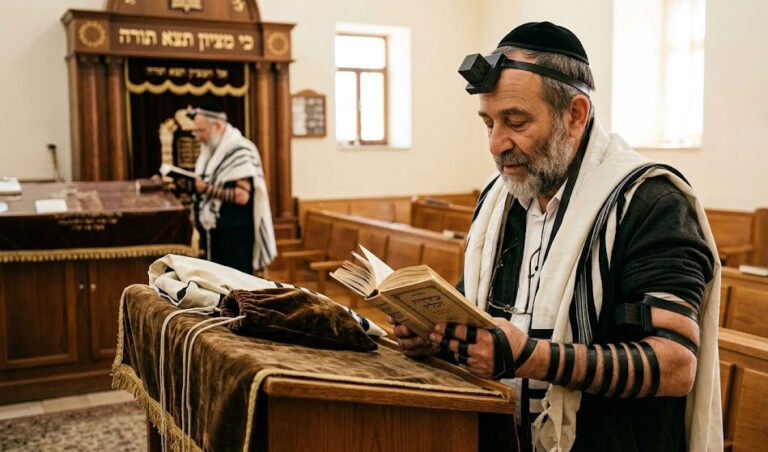
December was a meaningful month at Renewal, filled with multiple life-saving transplants and renewed hope for families across our community. One transplant in particular carried a story that felt deeply personal and profoundly generational.

On December 16, Beryl Joffre received a kidney transplant at Weill Cornell, donated by Mendy Lazar. For Beryl, this moment was about far more than surgery. It was about continuity, faith, and the power of family.

Beryl has been connected to Renewal since 2006. Over the years, he was listed at transplant centers across the country. When he began dialysis in August 2024, the waiting became heavier, but so did his hope.

What made this transplant especially meaningful was where it took place. Cornell is the same center where Beryl’s mother received her kidney transplant years earlier. Now, as a second-generation transplant recipient at the very same hospital, Beryl’s story reflects a legacy of life renewed.

Married and the father of three, Beryl shared that one of his biggest concerns was recovery time after the surgery. His twelve-year-old son’s bar mitzvah is in February, and his heartfelt wish was to be healthy and present to celebrate this milestone with strength and gratitude.

The donor’s story added another powerful layer. Mendy Lazar comes from a family where giving is woven into daily life. His wife and his brother-in-law have both donated kidneys as well, creating a family legacy of selflessness and courage.

This transplant reminds us that healing often runs through families. When generosity is passed down and shared, it becomes more than a gift. It becomes a legacy.

Exploring the Wonders of the Human Anatomy

What Do My Kidneys Do?

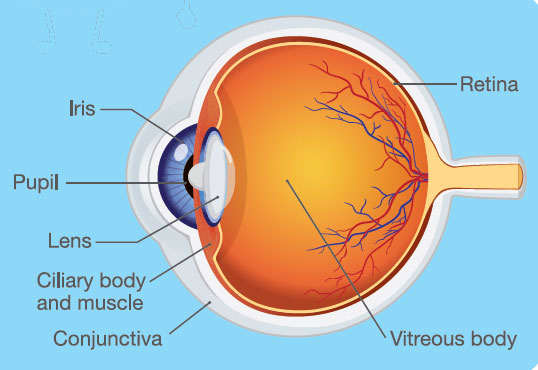
The answer is, quite a lot! The kidneys, which are part of the urinary system, are two bean-shaped organs, each about five inches long and three inches wide – about the size of a fist. They are located just below the rib cage, one on each side of the spine. The kidneys play an important role in keeping the body functioning properly. Some of their important jobs include making hormones that help control your blood pressure; making red blood cells; and keeping your bones strong and healthy.

Perhaps the kidneys’ most important job, though, is to filter your blood and help get rid of waste products from your body. As blood flows past cells and through tissues, it collects more than a hundred different types of waste, as well as any excess sodium, blood sugar, and water in the body. Carrying all these waste products, the blood then travels to the two kidneys, where the wastes and excess substances are made into a liquid called urine. The urine passes through two tubes called ureters, one extending from each kidney, until it reaches a kind of “storage bag,” called the bladder. From there the urine leaves the body.

The average person has one to one and a half gallons of blood circulating through his or her body. The kidneys filter that blood about forty times a day!

Filter System

The blood vessels entering your kidneys divide into smaller and smaller branches. These lead to tiny filtering units called nephrons , which are so small that you can only see them with a high-powered microscope. There are more than one million nephrons inside each kidney! Tiny as they are, these nephrons catch all the stuff your body doesn’t need, and they send it all out as waste.

Food for Thought

The kidney bean is named for its resemblance in both shape and color to a kidney.

Facts & Figures

Although the weight of the kidneys is less than 0.5 percent of the total body weight, they actually receive a lot more blood than the other organs in the body. Almost 25 percent of the blood pumped by the heart goes to the kidneys!

The Great Balancing Act

Another important function the kidneys perform is monitoring the amount of fluid in the body. If someone does not drink enough, and/or loses fluid through sweating, his blood contains less fluid than normal. When this blood passes through a certain part of the brain, special receptors detect the drop in water level, and the pituitary gland (housed in the brain) is stimulated to release a special hormone into the blood. When this hormone reaches the kidneys, it causes these wonder organs to increase the amount of water they absorb from the liquid they are filtering. Thus, more water is retained, and less water is sent out through waste.

Similarly, if someone drinks a lot of water, this extra fluid finds its way into the person’s bloodstream, and tells the brain receptors of the increased water level. This, in turn, informs the pituitary gland to release less of the special hormone. When the kidneys receive this message, they re-absorb less fluid back into the system, and more water is sent out through waste.

It’s pretty incredible that each little kidney, weighing just six ounces, is so complex and so advanced that some of its functions are beyond human comprehension. Surely, whatever we do know about the kidneys is enough to make us recognize the greatness and wisdom of the One Who created them.

What Are Kidney Stones?

If you ever heard someone complain that he was in pain because he had kidney stones, you probably wondered: What exactly are kidney stones, and how do they get inside the body?

Kidney stones are hard collections of minerals and salts that form inside the kidneys when too much of certain minerals, such as calcium, oxalate, and phosphorus, accumulate in the urine. These minerals are normally found in urine and do not cause problems. However, under certain conditions, these minerals can become too concentrated, and then they separate out as crystals. When these crystals in the urine attach to one another, they accumulate into a small mass, or stone. That is called a kidney stone.

Kidney stones vary in size. They can be small, like a tiny pebble, or they can be a few inches wide, or even bigger.

Most kidney stones pass out of the body on their own, without causing any harm. The smaller the kidney stone, the more likely it will pass by itself. If a stone is too large to pass on its own, several treatment options are available. Pain medicine and plenty of fluids help most people with kidney stones get better.

Staying Hydrated

Kidney stones often have no definite, single cause, although several factors may increase the risk of them. The leading cause of kidney stones is a lack of water. Kidney stones are more commonly found in people who drink less than the recommended eight to ten glasses of water a day. When you aren’t well hydrated, your urine becomes more concentrated, with higher levels of certain minerals, and when mineral levels are higher, it’s more likely that a kidney stone will form.

A Busy Bean

Kidneys pump around 400 gallons of recycled blood every day!

Fact or Fiction??

Drinking milk causes kidney stones.

This is not true. Drinking milk, which contains calcium, does not cause painful kidney stones to form. As a matter of fact, some research suggests that drinking milk is associated with loweringone’s chances of having kidney stones. According to this research, it is not too much calcium that can cause trouble, but having too little of it.

Living Emunah – You Had a Great Day

Rabbi David Ashear

Pursuing a livelihood can be stressful. Many people become depressed because they are not earning what they had expected. Their business occupies their minds day and night, and they can’t enjoy the simple pleasures of life.

It is important for a person not to lose focus and to remember the real purpose of life. We are here for a short time on a mission to serve Hashem in whatever surroundings He places us. If, over the course of a day, a person prays, learns Torah, does some good deeds, and makes other people feel good, then he had a great day. We have no control over how much money we earn.

The pasuk says (Mishlei 10:22), “it is [only] the blessing of Hashem that enriches” – that determines whether a person will be rich or poor. Hashem, Who knows what we need much better than we do, gives each person precisely the money he needs to do his job here properly.

Sometimes, a person needs to serve Hashem under financial hardship; for him, the doors of parnassah are closed. He shouldn’t berate himself for not achieving; he shouldn’t become depressed for not having; he should focus on fulfilling his real purpose: following the Torah and mitzvot with joy under the conditions in which he has been placed.

Money is such a small part of life. We need it to get by, but there is a much greater purpose for which we are put here. We need to trust Hashem that He knows how much money we need and that He will provide accordingly. It is so clear that parnassah is determined only by Hashem. We see it with our own eyes. Two people can be selling the exact same product; one is making millions while the other is struggling. How could that be?

Hashem could easily give a person money. The Targum (Devarim 8:18) says that even the idea as to which business to engage in comes from Hashem.

There’s a company called Airbnb that is worth billions of dollars. How did it start? Three roommates who couldn’t make their rental payments decided to inflate three air beds in their living room and rent them out. With a little advertising, they got three customers … and the rest is history.

Success is determined by Hashem and failure is determined by Hashem. Someone in Israel had the idea to purchase a certain type of maror to sell before Pesach. He bought an enormous quantity, but couldn’t attract customers and he lost a great deal of money. The idea was given to him by Hashem, Who determined that at this point in his life, he needs to live without that money. If he continues serving Hashem despite his difficult situation, he will be a huge success; he’ll be fulfilling his real purpose.

I know someone who needed to borrow money to make his monthly rental payments. Recently, one of his customers made an order that will bring him over $1 million profit. He didn’t know how he was going to pay for his basic expenses, and now, in a flash, he’s a millionaire.

The money we have is determined by Hashem. What’s important in life is what we do with what we are given. Some have, and some don’t. Some have today and they won’t have tomorrow. And some don’t have today and they’ll have a lot tomorrow. What’s important is putting our energy into what really matters – serving our Creator. And if we concentrate on that, we’re a definite success.

The Lighter Side – January 2026

Techno-Diner

Working on a computer all day has definitely messed with Sarah’s view of reality. We had just placed our lunch order, and as our waiter walked away, he slipped on a wet spot on the floor. “How about that?” she observed dryly. “Our server is down.”

Sally T.

Fatherly Advice

When I was learning to drive in the winter,” a father told his son, “I learned that if you’re ever lost in the snow, wait for a plow truck, then follow it.”

One cold, snowy Minnesota night, the son got lost on his way home. The snow was blowing so fast and piling up so high that he couldn’t see any street signs. With no map in his car and a dead cell phone, he thought he might be stranded, so he pulled over to the side of the road.

Then breaking through the flurries, he saw the headlights of a plow truck in his rearview mirror. Thanking his lucky stars, he turned in and followed the truck, hopeful that it would lead him back somewhere he recognized.

He followed that truck for what felt like hours. When the truck turned left, he’d turn left. The truck swung to the right, and he was right on its tail. After a while, the son saw brake lights from the plow, followed by four-way flashers. The plow had stopped, and he saw the driver get out and approach his car. He rolled down the window to talk to him.

Why are you following me, kid?” the plow driver asked.
“Well sir, my dad told me if I was ever lost in a snowstorm, I should wait for a plow truck and then follow it.”
“Well,” said the plow driver, “I just finished clearing the Target parking lot. Want to follow me over to Best Buy??”

Nathan S.

A Sure Cure

After suffering from a miserable cold for a week, Jeff visited his doctor and begged for relief. The doctor prescribed a pill, but it didn’t work. A week later, Jeff returned to the doctor, who gave him a shot. With no improvement in his condition and sicker than ever, Jeff visited the doctor a third time and said, “I’ve tried two medications you prescribed so far and neither of them helped. So before you recommend another treatment, you had better be sure it’s the right one.”
“Okay then, this is what I want you to do,” the doctor said. “Go home and take a hot bath. Then throw open all the windows and stand in the draft.”
“But I’ll get pneumonia!” protested Jeff.
“Exactly,” the doctor answered, “that I know how to treat!”

Abie C. 

Hotel Gripe

One cold, winter morning, a man walks up to the front desk of a hotel and complains to the concierge that he couldn’t sleep last night thanks to his upstairs neighbor.

They both decide to visit the room above to investigate. After some knocking, the concierge opens the door to find a guest who looked a bit groggy; after some explanation from the concierge later, the guest apologized and explained that he had just flopped on his bed after a long, exhausting day, and took off his winter boot, which landed heavily on the floor. Realizing how noisy it was, he decided to carefully take his other winter boot off and gently place it on the floor.

The manager, confused about the first guest’s intent, asks him, “You’re telling me you couldn’t sleep from that one thud?” The man replies, “I was waiting for the other boot to drop!”

Martin G.

A Ticket to Ride

A motorist was speeding down the highway when a cop caught up with him and ticketed him for speeding. “What am I supposed to do with this?” the motorist grumbled as the policeman handed him the speeding ticket. 

Keep it,” the cop said. “When you collect four of them, you get a bicycle.” 

Rena P.

The Vitality Secret

My wife recently ran into the housekeeper who used to clean our house many years ago and was surprised to hear that she was still at it, despite her advanced age. “How do you manage to do all the strenuous work housekeeping entails?” my wife asked.

“I do housework for clients who can’t see the dirt any better than I can,” she replied.

Jack G.

Food Service

Upon entering a local burger joint, Jason ordered a burger with a tomatoes and “minimal lettuce.” The woman behind the counter apologetically replied, “Sorry, but we only have iceberg lettuce.”

Ed G. 

A Winter Break

A Russian man lives all alone in a cabin. One day, someone from the government shows up and tells him that due to a map surveyor’s error in the 1990s, the cabin he lives in was mistakenly marked as part of Russia, but in fact, it’s actually a part of Belarus.

Oh thank Gd!” the man exclaims. “I don’t think I would have been able to stand another Russian winter here.”

Greg K.

Need of Relief

Phil was exhausted. His wife had just given birth and he had to watch their four older children for a few days. Although it was only for two hours a day, Phil was at his wits’ end and he had a splitting headache. Looking for some relief, he brought the kids over to his parents’ home for a visit. As soon as his father saw him, he noticed his poor condition. 

Phil, you look terrible,” he observed. “Why don’t I get you some aspirin?” 

No thanks, Dad,” Phil replied. “I just took two aspirin.”  

Well, it seems you didn’t follow the instructions,” his father said. Dad brought Phil a bottle and showed him the small print: “Take two aspirin” and “Keep away from children.” 

Alice B.

Inner Harmony

My therapist told me that the way to achieve true inner peace is to finish what I start. So far today, I have finished two bags of chips and a chocolate cake.
I feel better already.

A. N. 

Lightning Hammer

During our home renovation, my wife was watching me drive in some nails. “You hammer like lightning,” she said.
“Really?” I replied, flattered.
“Yes, really…you never strike the same place twice.”

Molly H.

Riddles – January 2026

RIDDLE: Two Doors, One Truth

Submitted by: Robert D.

You stand before two guards and two doors.
One door leads to freedom, the other to doom.
One guard always tells the truth, the other always lies.
You don’t know which is which.
You may ask one question to one guard to figure out the door to freedom.
What should you ask?

Last Month’s Riddle: The River Crossing

A farmer needs to cross a river with a wolf, a goat, and a cabbage.
He has a boat, but it can only carry him and one item at a time.
He can’t leave the wolf alone with the goat, or the goat alone with the cabbage. How does he get all three across safely?

Solution: The farmer needs to make the following 7 trips: 1) Take the goat across. 2) Go back alone. 3) Take the wolf across. 4) Bring the goat back. 5) Take the cabbage across. 6) Go back alone. 7) Bring the goat again. All safely across!

Solved by: Shaul Beida, Sophia Ovadia, Aaron Ovadia, The Big Cheese, Ari Matatov, Family Blum, Daniel Husney, Bella Husney, Haim Soleimani, Marty Esses, and Rose W.

JUNIOR RIDDLE: What Am I?

Submitted by: Lori P.

The more of this you take, the more you leave behind. What am I?

Last Month’s Junior Riddle: The Ever-Increasing Word

What 7-letter word contains thousands of letters?

Solution: Mailbox!

Solved by: Meir Saieda, The Blum Family, Shelomo Sutton, H. Soleimani, Rose W., Shaul Beida, Frances Goldman, Big Mike, Family Faham, and The Shmulster

Words of Rabbi Eli J. Mansour – “Not Even a Hoof” The Resolve That Set a Nation Free

Pharaoh was more than just a king. For us, he was – and is – a symbol.

A number of traditional sources, including the Zohar, teach that Pharaoh, the king of Egypt who enslaved our ancestors, symbolizes the yetzer hara, our evil inclination, our negative tendencies, our vices, our sinful instincts. Of course, the story of Pharaoh is true and historically accurate. But in addition, Pharaoh embodied the yetzer hara, and thus by studying his behavior, we gain a clearer understanding of the “Pharaoh” within us that we must constantly struggle to overcome.

Most obviously, the yetzer hara, like Pharaoh, “enslaves” us. I doubt anyone reading this never felt trapped or chained by a bad habit, by some lure or temptation.

Additionally, as we read this month, Pharaoh acted irrationally, without reason. He continually refused to led Beneh Yisrael leave Egypt even when this was clearly and undeniably the correct thing to do for the benefit of his kingdom, which was devastated by plague after plague due to his intransigence. Our yetzer hara, too, causes us to act insensibly, to persist in our negative behaviors even as we know how detrimental and destructive they are.

In this context, however, I would like to draw our attention to one particular aspect of Pharaoh’s story which should inform the way we approach our human weaknesses.

Moshe the “Macho Man”?

Following the eighth plague, the plague of locusts, Pharaoh relented, and he informed Moshe that he would permit all Beneh Yisrael to leave – but on the condition that their cattle remain behind in Egypt.

Moshe, predictably, refused – but he does so with uncharacteristic vehemence. He told Pharaoh that not only would Beneh Yisrael take their own cattle, but Pharaoh himself would give them his own animals to be offered as sacrifices to Gd. But most strikingly, perhaps, Moshe declared, “Lo tisha’er parsah – Not a hoof will remain!” (10:26). He emphasized that not one of his people’s animals – not even one leg of an animal! – would stay in Egypt.

We are not accustomed to seeing Moshe “talk tough,” not even to Pharaoh. Why was Moshe so insistent that every “hoof” needed to leave Egypt? Was this just posturing, an attempt to sound “macho”?

One explanation is indicated by the Midrash, which explains that Moshe considered the possibility that Gd would require the offering of innumerable animal sacrifices. Moshe said to Pharaoh, “…and we do not know with what we will serve Gd until we arrive there” The Midrash comments that since Beneh Yisrael had not offered any sacrifices over the course of their 210-year sojourn in Egypt, Moshe wondered if perhaps they would need to make up for all these missing years, and bring over two centuries’ worth of sacrifices. Hence, we might say that Moshe wasn’t “talking tough” with Pharaoh, but simply stating the fact that Beneh Yisrael would need as many animals as they could bring, given the possibility that they would be asked to make up for all the years during which they were unable to bring sacrifices to Gd.

However, this would not explain Moshe’s emphasis that “lo tisha’er parsah” – no “hoof” would remain in Egypt. Why did he need to be so dramatic in demanding that Pharaoh let Beneh Yisrael’s animals leave with them?

The Sneaky “Baby-Step” Scheme

The answer becomes clear once we understand that Pharaoh wasn’t just a king, but rather a model and embodiment of the yetzer hara.

The Gemara (Shabbat 105b) tells us about the devious strategy employed by the yetzer hara to lure us to sin:

For this is the evil inclination’s scheme: Today it tells him, “Do this”; the next day, it tells him, “Do this;” until it tells him, “Worship idols,” and he goes ahead and worships.

If the yetzer hara would try to entice an ordinary, Gd-fearing Jew today to pray on Sunday morning in a church, this is not likely to happen. Rarely does a person fall so far so rapidly. Instead, the yetzer hara takes baby steps, pushing a person one small stride at a time. It first convinces him to commit some relatively minor infraction which is beneath the individual’s standards. For some people, this might mean neglecting to recite birkat hamazon after eating bread. For some, it might mean sleeping late and missing minyan. For others, this might be sharing some “juicy” gossip. The point is that the yetzer hara seeks to keep a hold on the person, in whichever way it can. It will try to convince him to do something that he knows he shouldn’t do, but that is not such a grave violation that he would never countenance committing it. The yetzer hara’s goal is not this relatively minor infraction itself, but rather to maintain a foothold, to keep the person under its influence.

The reason behind this strategy is something which the yetzer hara knows very well, but which we often forget – that one thing leads to another. Once we let the yetzer hara into our lives, and into our beings, we come under its influence and can so easily fall into a downward spiral. Gd told Kayin, “Lapetah hatat rovetz – Sin crouches at the entrance” (Beresheet 4:7). The process of sin begins “at the entrance,” by letting the yetzer hara into the door to our hearts. Once we start negotiating and arguing with the yetzer hara, we are then likely to start making compromises to accommodate it, to make exceptions, however inherently slight. These compromises and exceptions then lead to others, potentially sending us far from where we ought to be.

The only response to the yetzer hara is to slam the door in its face and not let it in. If we allow ourselves to be dragged into negotiations and discussions, our fortifications are then breached, and we are at grave risk of spiritual demise.

This is the message of Moshe’s fervent, passionate proclamation, “Lo tisha’er parsah” – that not a single hoof would remain in Egypt. We cannot give Pharaoh an inch, not even a single “hoof.” If a hoof would remain in Egypt, there is no telling who else would end up getting stuck in Egypt. We cannot allow the yetzer hara any leeway. Our rejection must be firm and absolute.

The Lesson of Eliyahu’s Bull

This explanation dovetails with a fascinating insight by the Malbim (Rav Meir Leibush Wisser, 1809-1879) regarding the text of this verse.

The Malbim perceptively notes that Moshe did not tell Pharaoh that Beneh Yisrael would bring their cattle with them. Instead, he said, “Vegam miknenenu yelech imanu – And also our cattle will come with us.” The flocks wouldn’t be brought out by the people – they would leave on their own!

The Malbim explains what this means based on the story of the prophet Eliyahu’s “showdown” with the pagan prophets on Mount Carmel. As we read in the Book of Melachim I (chapter 18), Eliyahu challenged the prophets of the pagan god ba’al to a contest of sorts, whereby he and they would bring sacrifices, and the one whose sacrifice would be visibly accepted would be proven right. Eliyahu brought two bulls, and invited the prophets of ba’al to choose the bull that they would sacrifice to their deity. Needless to say, these prophets received no response from their imaginary god after sacrificing their bull. Eliyahu then proceeded to offer the second bull, and he prayed to Gd for a response. A heavenly fire descended and consumed the sacrifice, proving to all the people the truth of monotheism.

The Midrash relates that the bull chosen by the pagan prophets was reluctant to go. It refused to be used for the purpose of pagan worship. Eliyahu convinced the bull that it was actually a privilege to be sacrificed to ba’al, as this would result in a spectacular kiddush Hashem (glorification of Gd), whereby the entire nation would recognize the truth about Hashem. At that point, the bull proceeded.

In light of this story, the Malbim suggests a novel explanation of Moshe’s response to Pharaoh. Moshe was saying that Beneh Yisrael’s cattle would leave Egypt on its own, willing and eager to be sacrificed to Gd. Unlike the pagan prophets’ bull – which needed to be persuaded to be used as a sacrifice to ba’alBeneh Yisrael’s animals left Egypt happily, enthusiastic about their role in the service of the Almighty.

The Malbim adds that this is why Moshe then told Pharaoh, “ki mimenu nikah la’avod et Hashem – for we will take from it [the cattle] to serve Gd.” He was saying that Beneh Yisrael would “take” a precious lesson in religious devotion from their cattle. When they see their herds eagerly going to be sacrificed to Gd, they will be moved and inspired, and will strive for this level of unbridled and enthusiastic commitment.

Once we “shut the door” on the yetzer hara, we eliminate all our inner reluctance and ambivalence. Once we make the resolute, unwavering decision to reject our sinful tendencies, our service of Hashem will be far more energetic, wholehearted, enthusiastic, and fulfilling. Rather than be encumbered by reluctance and inner struggle, we will – like our ancestors’ cattle – march naturally and eagerly along the path of Torah and mitzvot. The critical first step is to declare, “Lo tisha’er parsah” – that we are not letting the yetzer ha’ra through the door, that we reject it, that we are entirely free from its clutches, leaving it in control of nothing, not even a single “hoof.”

The lesson of Moshe’s pronouncement to Pharaoh, then, is that we must make the firm decision to leave “Pharaoh,” to abandon our bad habits, to reject our vices, and to commit ourselves fully and unconditionally to the Almighty’s will.

Building Forward, Together

Karen Behfar

January isn’t loud. It doesn’t arrive with fireworks, dreidels, latkes, and noise. It just sort of appears, quietly reminding us that time keeps moving. After the lights of Hanukah fade and the winter chill settles in, Brooklyn feels a little slower, softer. And that calm gives us space to think about what’s next.

For me, January has always been a time to pause. In real estate, this is what I call the thinking month. People aren’t rushing to move; they’re reflecting. They’re curious if their home is still serving their family’s needs. Is this where they want to be in the summer? Where are the schools they want to send their kids to in September? And beyond the logistics, does this space still feel like us?

This is also a wonderful time to give that energy back: check on an elderly neighbor, support a local business, or volunteer for a community initiative. When we strengthen the ties around us, we strengthen our own sense of belonging. Brooklyn thrives on connection. Whether it’s a quick chat outside shul, a neighbor bringing soup, or kids playing on the block, it’s these relationships that make our neighborhoods feel like we’re family.

Evaluate Your Space

Our homes are living spaces. They’re meant to evolve as we do. Take a slow walk through your space and ask: Which areas make daily life easier, and which frustrate you? Does your dining room feel welcoming for guests? Do your kids have the right space to study, relax, or host friends?

You might realize that what’s missing isn’t more space but rather better use of what you already have. Sometimes rearranging furniture or repurposing a room can change how you live in your home without changing your address.

As Orthodox Jews, our homes are more than living spaces. They’re the center of spiritual and family life. Every week we prepare for Shabbat, filling our homes with warmth, food, and song. This rhythm gives us structure, but it also reminds us what “home” really means. It’s a place where holiness and everyday life meet.

Consider What Is Possible

Growth doesn’t always mean big moves. Sometimes it’s just opening your mind to possibility. Whether you stay, renovate, or move, allow yourself to imagine what “better” could look like. Maybe it’s a kitchen where everyone gathers, a yard for summer meals, or a block closer to family. Maybe it’s simply finding more joy right where you are.

The point isn’t to rush, it’s to begin thinking with intention. Because that’s how meaningful change starts.

Even if you’re thinking about moving later this year, January is a great month to prepare quietly.

January Tips

Get financial clarity: Review your mortgage, equity, or savings. A short meeting with your accountant or lender now can prevent surprises later.

Observe the market: Notice which homes are selling in your neighborhood, and at what pace.

Reach out early: Your realtor can help you plan a smart timeline so you’re ready when the right opportunity appears.

In my experience, the most confident sellers, and the happiest buyers, are the ones who prepare before they act. They take the time to think, to plan, and to make choices that align with their lives, not just the market.

January may be quiet, but it’s powerful. It’s when we regroup, realign, and remember that home isn’t just where we live – it’s how we live, together.

Small Ways to Make Your Space Feel Calmer

  • Add extra seating around the Shabbat table to allow you to invite more guests.
  • Declutter one area that always feels chaotic. It can shift the whole energy of the home.
  • Create a quiet spot for reading, learning, or prayer. Even a small corner makes a difference.

The Heart of the SBH Career Division

By Rita Shabot, Career Division Director at SBH

At the SBH Career Division, our mission is simple yet deeply impactful: to help every job seeker find confidence, direction, and meaningful opportunity. We believe that when one person rises, the entire community rises with them.

Our Passion to Help

Every day, our dedicated team of professional job developers, résumé writers, and volunteer coaches walks into the Career Division with purpose. We understand that searching for work – whether you’re just beginning your journey or navigating a career transition – can feel overwhelming. At SBH, no one walks alone.

The voices of our clients speak powerfully to this care. One individual shared:

You really helped me out with my résumé and connecting me with job opportunities. I’m waiting to hear back from a few companies and have a second-round interview on Monday thanks to one of the connections you made. Thank you for your assistance through all this. Wishing you a happy and healthy new year. Shanah Tovah!”

Messages like these affirm the impact of our work every single day.

Our Process: Step by Step, Side by Side

From the moment someone reaches out, we take the time to listen—to goals, concerns, and even insecurities. We create a personalized plan, offer targeted support, and remain alongside our clients throughout their journey.

One client expressed this experience with deep gratitude:

Sheri, I want to thank you for being so available and patient with me through this process. I believe you must have a degree in social work because you addressed many of my insecurities. May Hashem continue to give you the words to help all who rely on you. You have a special gift!”

This kind of trust is something we cherish and strive to earn every day.

We’re Here for You

Our professionals do far more than match résumés to job postings. They are motivators, strategists, advocates, and emotional supports. Clients consistently feel seen, valued, and believed in.

As one person shared:

Nathan treated me like his only client and genuinely cared about the mission of finding me a new role. SBH, and those who reach out, are fortunate to have him. Thank you.”

This level of care is not the exception – it is our standard.

Our Volunteers: The Heartbeat of Our Division

We are blessed with an extraordinary network of volunteer job coaches and retention coaches who give selflessly of their time, experience, and hearts. They mentor, encourage, and inspire – often continuing their support long after a placement is made.

One client captured this sentiment perfectly:

Thank you for your assistance. I definitely appreciate that you’re on the other end trying to make things better for everyone.”

Their gratitude reflects the lasting ripple effect created by our volunteers’ compassion.

Our Supportive Services

To help clients thrive, the SBH Career Division offers a comprehensive range of services designed to support both immediate goals and long-term success:

  • Professional Résumé Writing
    One-on-one collaboration to create polished, impactful résumés that open doors.
  • Skills Training
    Interview preparation, workplace readiness, and confidence-building support.
  • Job Coaches
    Personalized guidance through the job search process, from applications to offers.
  • Retention Coaches
    Continued support after placement to ensure stability, growth, and success.

Young Professionals: Building the Future

We are especially proud of our Young Professionals Program, which empowers the next generation through:

  • Internship placements that provide real-world experience
  • Mentor–mentee relationships that inspire and guide
  • Industry events and roundtables that build networks and open career paths

These initiatives equip young adults with confidence, direction, and opportunity.

At the SBH Career Division, we believe in people.
We believe in untapped potential, new beginnings, and the power of community members lifting one another up. Our staff and volunteers – job developers, résumé writers, coaches, and mentors – work every day with one shared mission: To help you succeed professionally, personally, and confidently.

We’re here for you. Always.

United Hatzalah and Gindi Family Distribute Hundreds of Kids Books

90 Seconds: For Young Readers teaches young readers about selflessness, sacrifice, bravery, and the profound impact that caring for others can have on their own lives. Through an engaging and accessible narrative, the book tells the story of Eli Beer, who founded the world’s largest volunteer EMS (Emergency Medical Services) organization to ensure that anyone in need of emergency medical aid in Israel receives fast, free help.

On October 29th, Gavy Friedson, a United Hatzalah volunteer EMT who has responded to more than 10,000 emergency calls in Israel, spoke to 6th graders at Yeshivah of Flatbush and Magen David Yeshivah, sharing life-saving stories from the field and distributing these books to hundreds of enthusiastic students.

Five hundred copies of 90 Seconds were generously sponsored by Raymond and Elizabeth Gindi, along with Al and Chantal Gindi, to distribute to children at these schools and throughout the Syrian Jewish community to inspire the next generation toward getting involved in tzedakah and United Hatzalah’s life-saving mission.

“The Syrian community has always stood by United Hatzalah. We are deeply grateful for the Gindi family’s selfless philanthropic leadership and effort to share their values of hesed and education through these books,” said Marcelle Farhi, Senior Development Associate at United Hatzalah.

The books are well suited for 6th graders, many of whom begin seeking to support impactful organizations for their bar and bat mitzvah projects. As they prepare for these moments, many children begin to understand that they can personally and directly make a difference by helping others in need.

When selecting their bar and bat mitzvah projects, kids can join United Hatzalah’s Leight Legacy Heroes program at www.israelrescue.org/heroesto raise $180 to sponsor an oxygen tank in Israel that bears their name. Their oxygen tank is then used by United Hatzalah medics in real, lifesaving missions, giving each child a tangible connection to the impact of their philanthropy.

For more information about United Hatzalah, or to receive a copy of 90 Seconds: For Young Readers and arrange a speaker for your school, please contact Marcelle Farhi at MarcelleF@israelrescue.org or visit IsraelRescue.org/heroes.